Tradition often lives in gestures repeated across generations: a hand tracing wax along cloth, a pattern patiently returning to the fabric it has long belonged to. In Indonesia, batik carries that continuity. It moves through households, workshops, and stories passed from one generation to the next. Within this living tradition, Zaka Hamzah has come to embody a familiar presence. Through years of dedication at Alleira Batik, his work reflects not only a professional path, but also an enduring commitment to preserving and celebrating the cultural language woven into batik itself.
“Batik is more than fabric, it is a thread that connects many traditions. I want people to appreciate, love, and wear batik and other Indonesian textiles for their daily lives so those traditions are given the chance to be recognised.”
[TPB] How do you see yourself at this point in your journey?
There is a deep sense of gratitude in still being part of the batik world that has always meant so much to me. Because for me, batik is not simply a product, it is something I truly love, and that passion is what has kept me here all these years.
Over time, the journey has also shaped how people recognise me. Whenever I meet friends in the media, my name is often closely associated with Alleira Batik. In many ways, that connection has naturally become part of who I am. It reflects how long I have grown alongside batik and with Alleira, and I hope to continue contributing to the industry that has given me so much.
[TPB] What does tradition mean to you?
Tradition, to me, is a reflection of a human, an expression of the stories, values, and character that shape a place. It carries the identity of a community, something that deserves to be respected, preserved, and brought forward into the present. In my work, that responsibility often takes form through batik and other wastra traditions. Each piece becomes a way of honouring those roots while allowing them to continue living through new interpretations. The goal is to ensure that these traditions remain relevant and meaningful for the generations.
[TPB] Would you like to share with us your earliest memories of being introduced to Batik?
My first real encounter with batik began after moving to Jakarta in 1994. Before that, growing up in Tarakan, North Kalimantan, I had never learned the craft in depth. It was only in Jakarta that I began to understand the process from the very beginning.
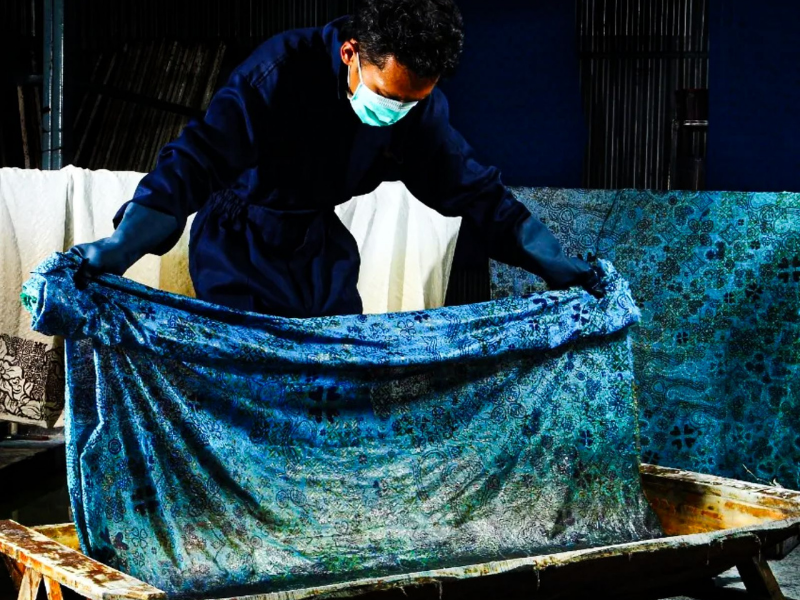
That time I’m learning how a piece of batik is created, from applying wax to watching the motifs slowly emerge on fabric, and it was an experience that felt both fascinating and humbling. The process revealed just how demanding batik can be, especially when working with handmade batik. Because every line requires patience and precision, and that is why a single piece can carry significant value. During those early years, I also learned to recognise the different types of batik. That foundation shaped my understanding of the craft and deepened my appreciation for the many forms batik can take.
[TPB] What has been the most challenging part of keeping and preserving the traditional essence of your craft?
I believe, most of the main challenges lies in presenting traditional Indonesian motifs to a broader audience, particularly when the work is intended for international guests. Not everyone immediately connects with traditional patterns, so the task is finding a balance between preserving their identity and making them accessible to different cultures.
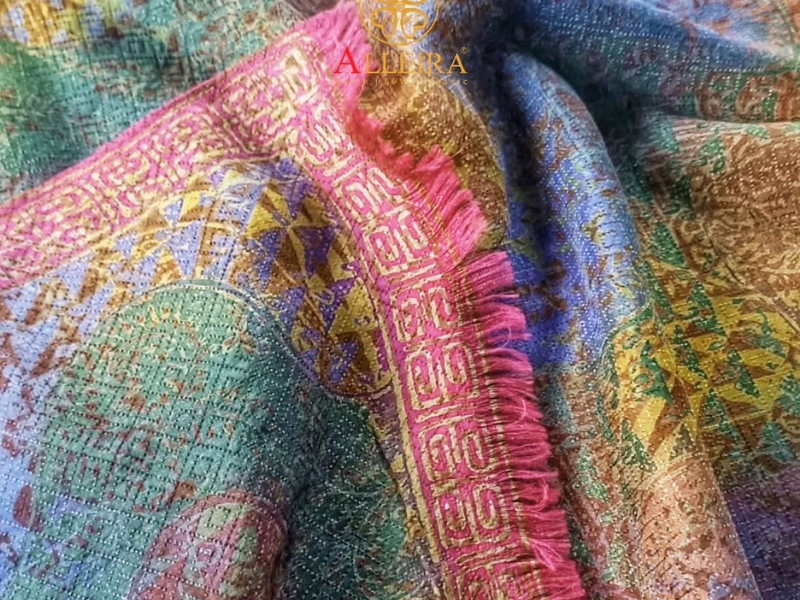
And in Alleira Batik, this challenge is welcome and we try to balance the approach by combining traditional batik motifs with more contemporary interpretations. While the designs are developed by a dedicated team, each motif is carefully reviewed before entering production. Through this process, the aim is to ensure that every piece remains rooted in tradition while still resonating with a modern audience.
[TPB] In today’s world, how do you keep traditional essence meaningful for younger audiences?
Through these collaborations, batik is presented in ways that feel fresh and relevant while still respecting its roots. Fashion shows also reflect this spirit of inclusivity, often featuring young models and even teenagers from the colour and inclusive community, because we try to create a space where tradition can be experienced by a broader and more diverse generation.
[TPB] How does tradition influence your life beyond your creation?
Clearly, for me, tradition remains present in my everyday life, in the way I choose to represent Indonesian craftsmanship. On many occasions and public appearances, I make a point of wearing batik (whether from Alleira or from other Indonesian brands). Because, I believe that other local brands are not competitors, but part of a shared cultural ecosystem. So supporting one another is essential to make Indonesian textiles and traditional crafts growing and gaining recognition.
[TPB] What challenges do you feel in carrying the tradition?
One of the challenges lies in the production timeline. Batik is a craft that requires patience and careful attention, which means the process does not always move exactly according to schedule. Because of this, production planning is often extended beyond the initial estimate. For example, if a process is expected to take two months, additional time is usually prepared to ensure there is space to refine the work if the result does not yet meet expectations.
[TPB] Is there something new (project, content, or anything) that people can anticipate from you?
Honestly, there is always something new. Because each year, we (Alleira Batik) continue to introduce new collections roughly every three to four months. These releases often follow seasonal moments such as Chinese New Year, Lebaran, daily collections, and Christmas–New Year celebrations. Occasionally, special collections are also prepared for Kartini Day or Indonesia’s Independence celebrations. Through this rhythm, the aim is to ensure that every year brings fresh interpretations of batik, allowing audiences to encounter something new while still staying connected to the tradition itself.