At ten years old, dreams rarely arrived with restraint. Colours collided without apology, patterns layered freely against one another, and rooms felt large enough to contain entire worlds.
A glowing lamp in the corner could suddenly feel cinematic. Stacked objects carried mystery. Textures, decorations, and mismatched furniture transformed ordinary spaces into places worth wandering through for hours.
Nothing needed to feel polished yet. Nothing needed to follow rules. Spaces simply existed to be explored, absorbed, and remembered. Growing older changes that relationship with space. Cities begin teaching people to prioritise efficiency over curiosity. Hospitality spaces become increasingly polished but interchangeable, designed around neutral palettes, controlled aesthetics, and visual safety.
Minimalism dominates because it feels orderly and universally digestible. Yet somewhere within that pursuit of perfection, many interiors lose their emotional texture. They remain visually pleasing, though rarely transportive.
Perhaps that explains the growing fascination with dreamy maximalist and eclectic interiors today. Beyond aesthetic preference, these spaces respond to something far more emotional: a longing for environments that feel immersive, playful, layered, and slightly detached from the rigid rhythm of urban life.
They offer atmosphere rather than simplicity. A sense of stepping momentarily into another emotional frequency.
Within contemporary Art & Design conversations, this shift reveals an interesting change in how people experience interiors altogether. Spaces are no longer viewed merely as functional settings, but increasingly as emotional landscapes. Lighting influences mood. Textures shape comfort. Objects contribute to storytelling.
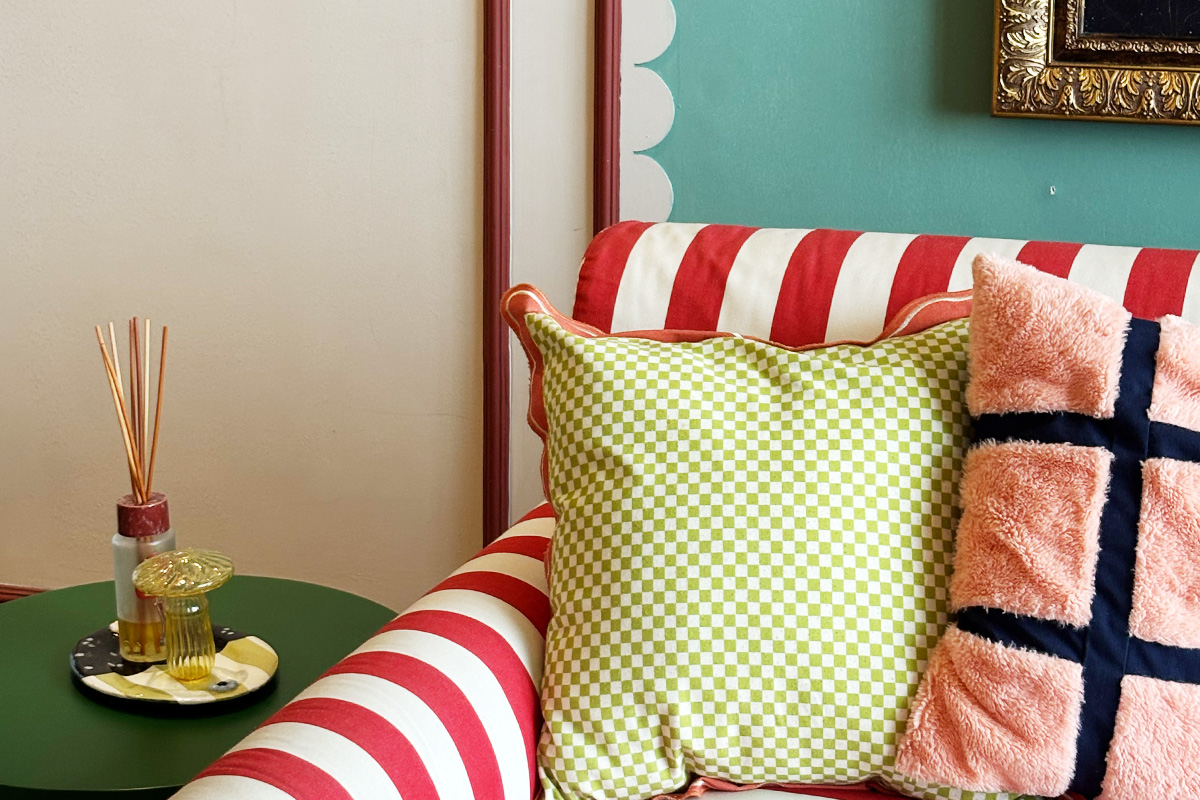
Photo credit: The Public Book
Design begins operating less like decoration and more like memory-making, and dream-like interiors understand this instinctively.
Rather than reducing everything into visual restraint, maximalist spaces embrace abundance. Colours coexist freely. Furniture becomes expressive. Decorative objects feel intentional instead of excessive. Unexpected corners invite curiosity rather than order.
More importantly, these interiors allow people to reconnect with a sense of wonder often softened by adulthood itself.
And perhaps, that is the real appeal of escapism today. Not necessarily disappearing from the city altogether, but finding spaces capable of briefly reshaping reality from within it.
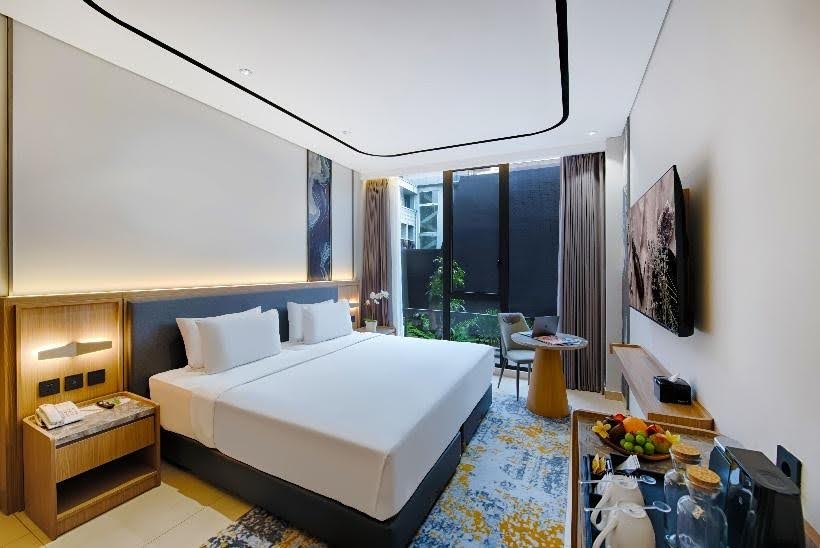
Hidden within Jakarta’s constant movement, Sonar Paraiso emerges from that exact desire. Offering escape through emptiness or silence, the stay builds immersion through emotional layering: through colour, lighting, playful compositions, and carefully arranged details that feel cinematic from the moment the lift doors open.
What makes Sonar Paraiso compelling is the intentionality behind its atmosphere. Eclectic corners, layered patterns, moody indirect lighting, and surreal decorative elements are not placed simply to be photographed. They exist to shape feelings.
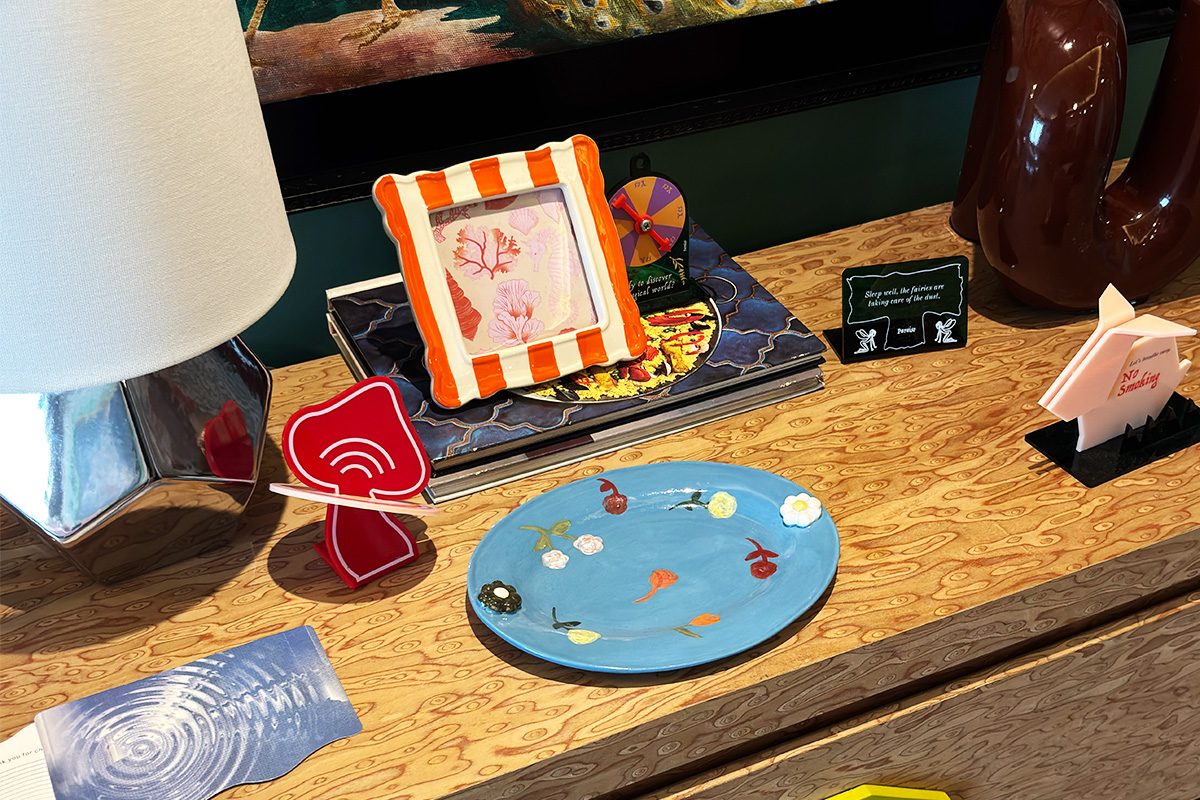
Photo credit: The Public Book
Introduced through designer Shania Tahir, the project began with a deceptively simple thought, “What if a space could make people feel like they stepped into another world, while still feeling personal?” What existed initially was not a complete visual blueprint, but an emotional direction.
The details unfolded afterwards, guided by references, memories, textures, and observations collected from everyday experiences.
That emotional approach continues defining how Sonar Paraiso evolves today. Instead of beginning purely from architectural structure, the design process focused first on atmosphere. Music references informed mood. Lighting determined emotional rhythm. Colours and textures became tools for building warmth and curiosity.
From there, Sonar Paraiso developed into more than a place to stay. It became a temporary dreamy world people could physically step inside.
Positioned within Jakarta’s relentless pace, the place responds directly to the fatigue of urban routines. Warm indirect lighting softens the mood as evening approaches. Patterns overlap without becoming visually overwhelming. Playful objects interrupt predictability. Every detail contributes to a sense of temporary hug from the busy routines.
Importantly, the escapism offered by Sonar Paraiso never feels disconnected from reality entirely. The intention is not to erase the city, but to soften its intensity for a moment. To create what Sonar Paraiso describes as “a sweet escape” where people can pause, breathe, and reconnect with a more imaginative version of themselves.
This sensitivity towards emotional experience extends even into the smallest details throughout the stay. Decorative objects that may appear unnecessary from a purely practical perspective remain essential within Sonar Paraiso’s visual language.
A sculptural fire cone positioned at the centre of the room may technically serve little function, yet visually it completes the atmosphere. Tissue boxes are selected carefully so they remain aligned with the wider visual composition. Additional chairs surrounding communal areas balance practicality with aesthetic continuity as more guests gather within the space.
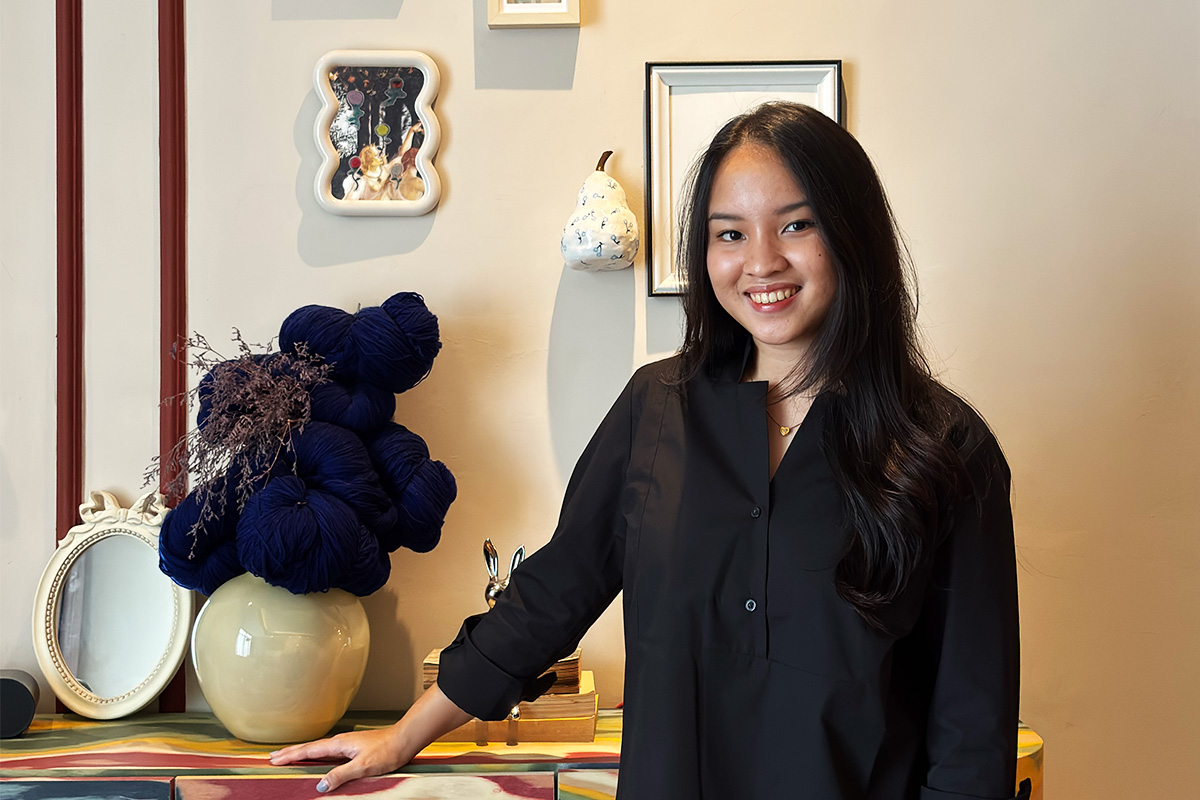
Photo credit: The Public Book
Within Sonar Paraiso, functionality is never separated from emotion.
That philosophy reflects a broader shift happening within contemporary Art & Design itself. Increasingly, successful interiors are evaluated through emotional resonance. How does a space affect the body? What kind of memory does it leave behind? How does lighting shape emotional rhythm throughout the day?
For Sonar Paraiso, those questions remain central. “Design isn’t only about buildings, but about experience,” they explained. The experience itself becomes part of the architecture.
What makes the project particularly compelling, however, is its refusal to remain static. Even after opening to the public, Sonar Paraiso continued evolving organically. Furniture arrangements shifted. Decorative objects moved between rooms. New items collected during travels gradually entered the interiors whenever they felt emotionally aligned with the atmosphere.
As a result, Sonar Paraiso feels alive. Its spirit remains recognisable, while the physical form continues adapting, expanding, and reshaping itself much like dreams naturally do. Nothing feels permanently frozen into place. Instead, the interiors behave more like an ongoing dialogue between imagination, memory, and lived experience.
That fluidity ultimately becomes one of the project’s strongest qualities. Within many hospitality spaces, consistency often means repetition. At Sonar Paraiso, consistency comes instead through emotional continuity. The atmosphere remains familiar even as physical details evolve over time. The dream grows without losing its essence.
Over the years, that evolution has also transformed the relationship between the stay and its visitors. Initially, Sonar Paraiso existed as a highly personal creative vision. Today, the space holds memories belonging to many different people. Families stay with their children. Friends gather beneath the warm evening lighting. Guests celebrate intimate occasions or briefly step away from Jakarta’s constant movement.
Gradually, the dream became shared.
That transition also reshaped Sonar Paraiso’s own perspective towards design itself. Experimentation with colour became bolder. Pattern combinations grew more confident. Lighting became increasingly intentional in shaping the atmosphere. The project expanded aesthetically and emotionally.
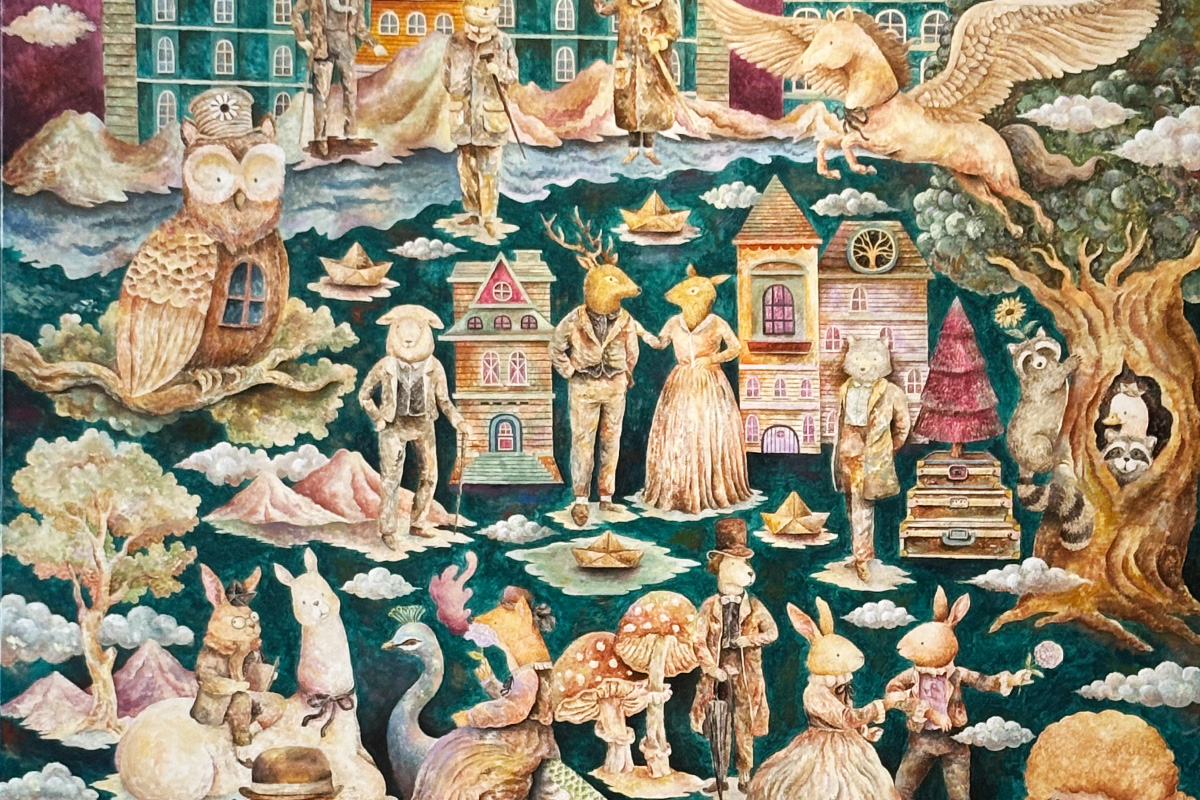
Photo credit: The Public Book
More importantly, it reinforced one essential understanding: spaces only become fully alive once people emotionally connect with them. And perhaps that explains why dream-like interiors continue resonating so deeply today.
Beyond aesthetics, they offer something increasingly rare within contemporary urban life: a sense of emotional belonging. A place to wander. To pause. To feel curious again. To reconnect briefly with dreams and imagination without needing to justify it.
Because ultimately, the most memorable spaces are rarely the most perfect ones. They are the ones capable of leaving emotional traces behind long after people leave them. Or as Sonar Paraiso reflects, “A space only truly comes alive once people emotionally connect with it.”