Some friendships disappear quietly. No dramatic fallout, no final conversation, only postponed plans, unread messages, and the gradual exhaustion of adulthood settling into everyone’s routines. Days become filled with work, commutes, obligations, and endless notifications, while meaningful connection slowly slips into the background.
Somewhere along the way, meeting new people starts feeling less natural than it once did.
In big cities, social life often exists in excess yet intimacy feels increasingly scarce. People are constantly surrounded by noise, movement, and interaction, though genuine closeness has become harder to stumble upon accidentally. Even gatherings now carry their own pressure. There is always something to present, something to contribute, some version of yourself to maintain.
Perhaps that is why so many people today are not simply searching for community, but for comfort within it.
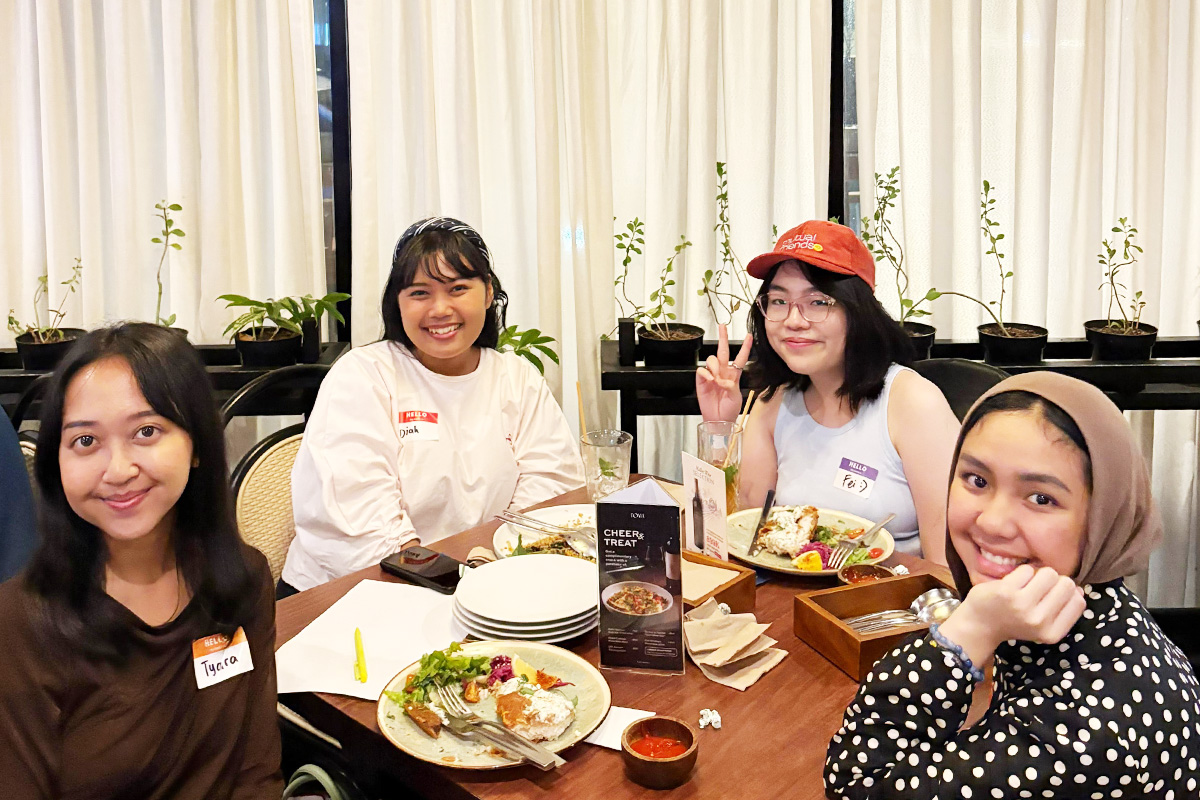
Photo credit: Mutual Friends
Communities have become deeply woven into contemporary urban culture. Across the city, people gather around hobbies, wellness, creativity, careers, and shared interests, all looking for some form of connection amidst increasingly fragmented lives. Yet somewhere within that rise, another feeling has quietly emerged. Many spaces now feel emotionally demanding in ways people rarely admit out loud. Some become overly performative, others overly agenda-driven, leaving people socially drained rather than genuinely connected.
Against that backdrop, Mutual Friends arrives with a noticeably softer intention. Founded by Bella and Klemens, the community began from a simple observation. Once adulthood becomes structured around work and routine, opportunities to form new friendships naturally begin to shrink.
“Friendship has always been something really important to me,” Bella shares. “A lot of my hobbies and opportunities came from my friends and my network. They’re the people who make my days happier.”
What started as a small gathering for strangers eventually resonated with many people navigating similar realities. The concept itself remained intentionally uncomplicated. Mutual Friends was never built around dating culture or professional networking. The goal was far simpler than that: creating spaces where people could meet openly, without the pressure to become anything other than themselves.
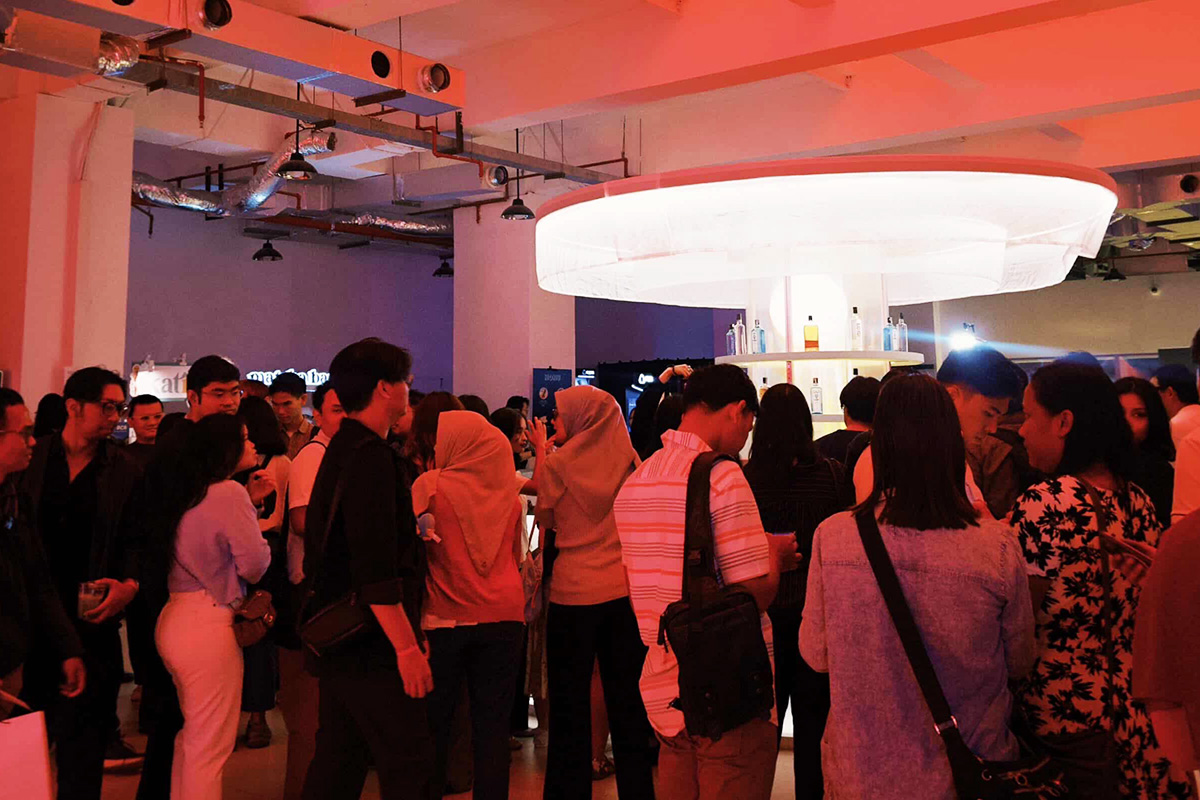
Photo credit: Mutual Friends
That simplicity feels surprisingly meaningful today.
Modern social life often prioritises visibility over presence. Conversations move quickly, attention spans shorten, and interaction becomes filtered through curated identities online. People communicate constantly, yet sincerity can still feel difficult to access. The desire for meaningful interaction remains strong, though many no longer have the emotional energy for spaces that feel loud, competitive, or socially performative.
Mutual Friends responds to that reality through details that appear small at first, though quietly shape the entire atmosphere of its gatherings.
Its events vary from karaoke nights and shared meals to morning walks around the city. Still, the structure behind them remains consistent. New attendees are not simply left standing awkwardly in crowded rooms expected to immediately socialise. Smaller groups are formed within larger gatherings. Ice breakers guide conversations naturally. Hosts pay attention to those who seem withdrawn or uncertain, gently helping them settle into the room without forcing interaction.
The approach feels less concerned with creating excitement and more focused on creating ease. That distinction matters because many adults carry social fatigue alongside their longing for connection.

Photo credit: Mutual Friends
After spending entire days navigating deadlines, overstimulation, and emotionally draining routines, people increasingly crave spaces where they can participate without feeling pressured to perform confidence or constant enthusiasm.
The community seems to understand that meaningful connection rarely appears through spectacle. More often, it emerges through comfort. Through feeling acknowledged. Through sitting beside someone unfamiliar and realising the conversation no longer feels difficult after twenty minutes have passed unnoticed.
There is also something deeply contemporary about the way strangers interact within these gatherings. Existing friendships sometimes carry assumptions and familiar roles that quietly shape conversations over time. Strangers, on the other hand, occasionally create room for unexpected honesty. People open up more freely because there are no expectations attached yet, no carefully maintained image to uphold.
Within the community, individuals from entirely different industries, cities, and personal backgrounds end up sharing the same table, discovering small emotional commonalities between lives that otherwise may never have crossed paths. In a city as fast-moving and socially fragmented as Jakarta, those encounters begin to feel increasingly valuable.

Photo credit: Mutual Friends
The appeal of spaces like Mutual Friends ultimately says something larger about the emotional condition of urban life today. Beneath the ambition, productivity, and constant movement, many people are simply searching for moments that feel sincere. Not necessarily life-changing experiences, nor endlessly expanding social circles, but environments where conversation can unfold naturally and where belonging does not need to be earned performatively.
Perhaps that is why the community resonates with so many people living in demanding cities. It understands that connection does not always require grand gestures. Sometimes people only need spaces gentle enough to let their guard down for a while.
The dream of adulthood is often imagined through achievement, independence, and momentum. Yet somewhere between all that striving, another longing quietly persists alongside it. The longing to feel welcomed. To share a table with unfamiliar people and leave feeling lighter than when you arrived. To be reminded that closeness can still exist, even amongst strangers.
And maybe that is what familiar strangers really are. People who briefly make the city feel a little less distant, and life a little less solitary. Sometimes the people who remind us how deeply human connection still matters are the ones we never expected to meet at all.