Furniture is often understood through function. A chair is something to sit on, a table something to gather around, a shelf something to hold what accumulates over time. It is designed to serve, to fit within a space, to complete a room. Yet, every so often, there are objects that seem to arrive from somewhere else entirely, shaped less by necessity and more by imagination.
These are the pieces that do not simply exist within a room, but alter how it feels. A chair painted in unexpected colours. A surface carrying motifs that seem to belong to a story rather than a catalogue. Forms that feel slightly whimsical, slightly unfamiliar, yet deeply personal.
They do not ask to match, but to be noticed. More importantly, they suggest that objects can be more than functional: they can be extensions of thought, fragments of memory, or small manifestations of something once imagined.
In this way, furniture becomes a quiet translation. An idea, often fleeting at first, begins to take shape. What was once intangible gradually finds its way into material, colour, and form. The process is neither immediate nor effortless. It requires interpretation, adjustment, and an understanding of how something imagined can exist in the physical world without losing its original spirit. Yet when it works, the result feels almost effortless, as if the object had always belonged there.
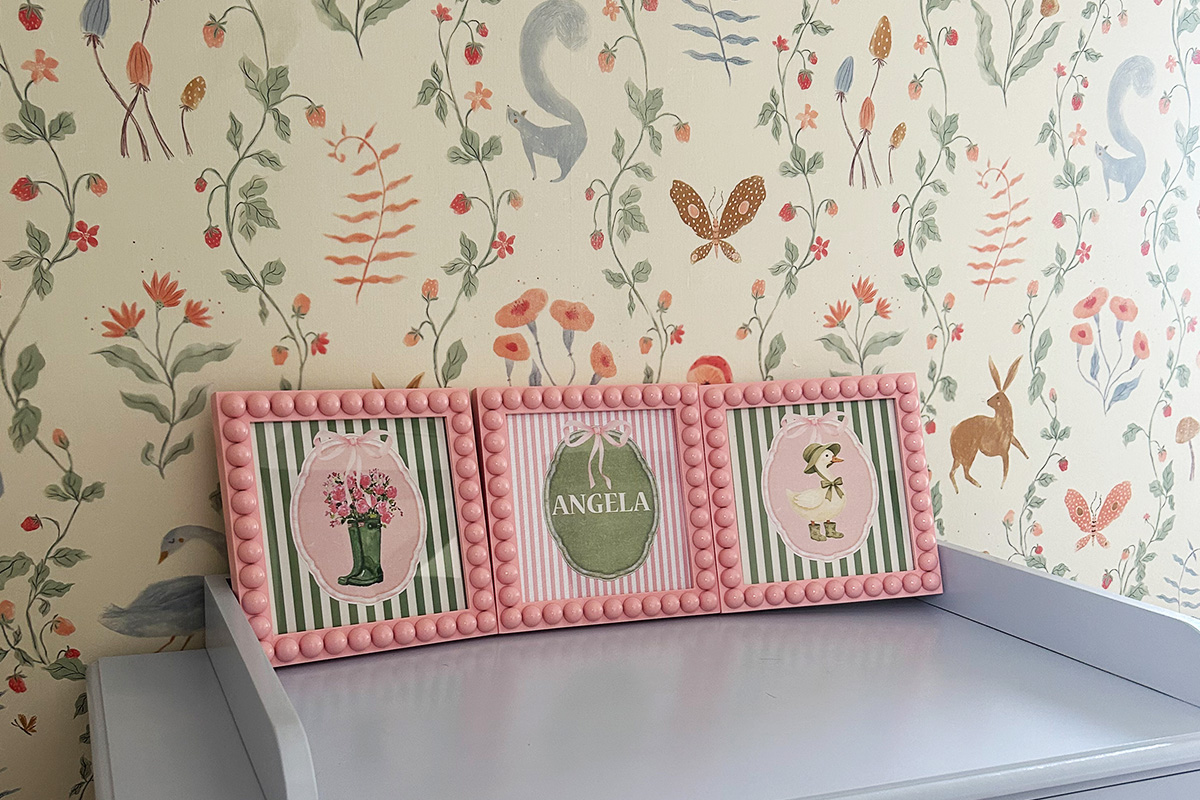
Photo credit: Wander Willows
It is within this space, between imagination and reality, that Wander Willows takes form.
Founded by Belle in January 2026, the brand emerged from a personal moment of curiosity. While designing her home, she found herself searching for pieces that felt more personal, something that reflected not only aesthetic preference but a sense of individuality.
The thought arrived simply: what if such pieces could be made, rather than found? From that point, the act of making became a way of answering that question.
In its early stages, the intention was already twofold. There was an urge to create something that did not yet exist, alongside a desire to share that possibility with others. The brand’s direction became clearer through a more intimate need, finding furniture for a child that felt meaningful enough to last beyond its immediate use. The absence of such objects in the market became a starting point, shaping the brand’s focus on pieces that are personal, distinctive, and enduring.
From there, Wander Willows developed not as a conventional furniture label, but as a practice of translating imagination into form. Ideas do not emerge from a single source. They move between memory, observation, and pure invention, forming a fluid creative process that allows each piece to feel individual. The brand’s works often carry a sense of familiarity without being predictable, as though they belong to a story that is still unfolding.
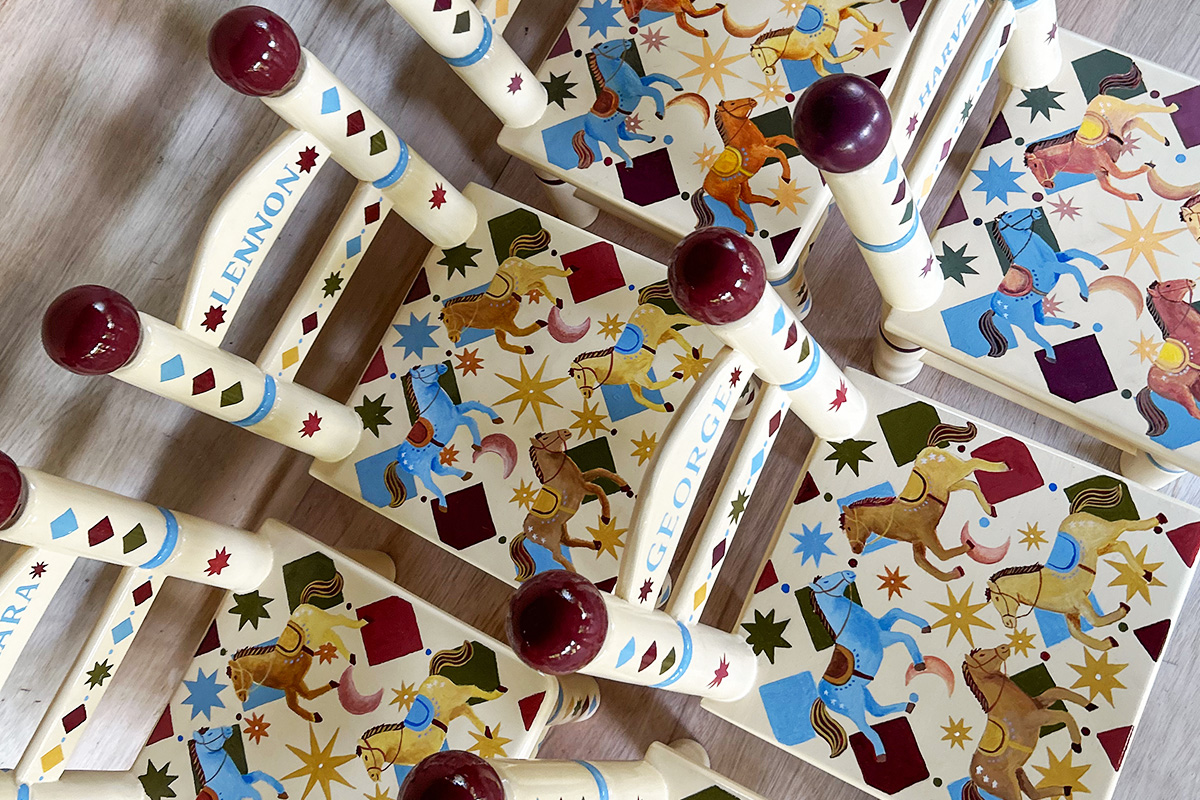
Photo credit: Wander Willows
That sense of imagination is grounded through making. Each piece begins as an illustration, created either by hand or digitally, before entering a phase of technical consideration, where material, structure, and function are carefully resolved.
The process requires precision, particularly when translating something expressive into something usable. Small decisions, such as achieving the right colour or proportion, become essential in preserving the integrity of the original idea.
It is during the creation of physical samples that the process begins to feel complete. What once existed only as a drawing takes on weight and presence. The distance between imagination and object narrows, allowing the idea to be experienced rather than simply visualised.
From there, the piece continues to evolve until it is ready to enter a space and become part of daily life.
An important aspect of this process lies in its materiality. All pieces are made locally in Indonesia, grounding each work not only in imagination, but also in place. Craft, sourcing, and production remain closely connected, ensuring that each object carries both creative and cultural value.
This local approach reinforces the idea that what is imagined can be realised with intention, without disconnecting from its origin.
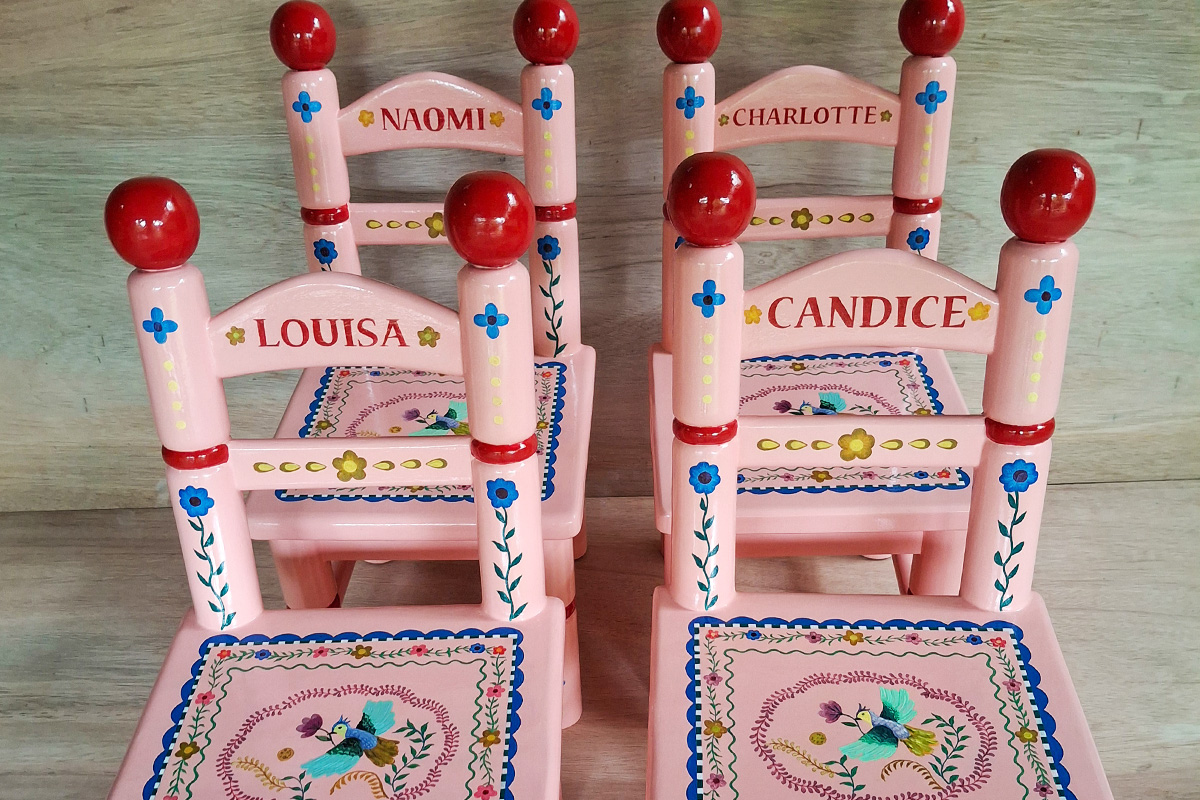
Photo credit: Wander Willows
Personalisation further deepens this relationship. Names, colours, and hand-painted details introduce a level of individuality that cannot be replicated. No two pieces are exactly the same, and this difference is embraced rather than corrected. Each object becomes specific to its owner, shaped not only by design, but by the story it is created for.
As the brand continues to grow, the understanding of dreaming shifts alongside it. What once felt like imagination alone begins to take on a more tangible presence.
Ideas become more intentional, gradually forming into objects that can be seen, touched, and lived with. Dreaming, in this sense, is no longer separate from reality. It becomes part of the act of building, refining, and continuing.
This evolution is defined by continuity. The brand maintains its focus on creating pieces that hold meaning over time, rather than producing objects that simply follow trends. Growth is approached carefully, ensuring that the sense of intimacy and individuality within each piece remains intact.
What emerges from this approach is a different understanding of what objects can be. They are not only functional, nor purely decorative. They can exist somewhere in between, carrying both use and meaning.
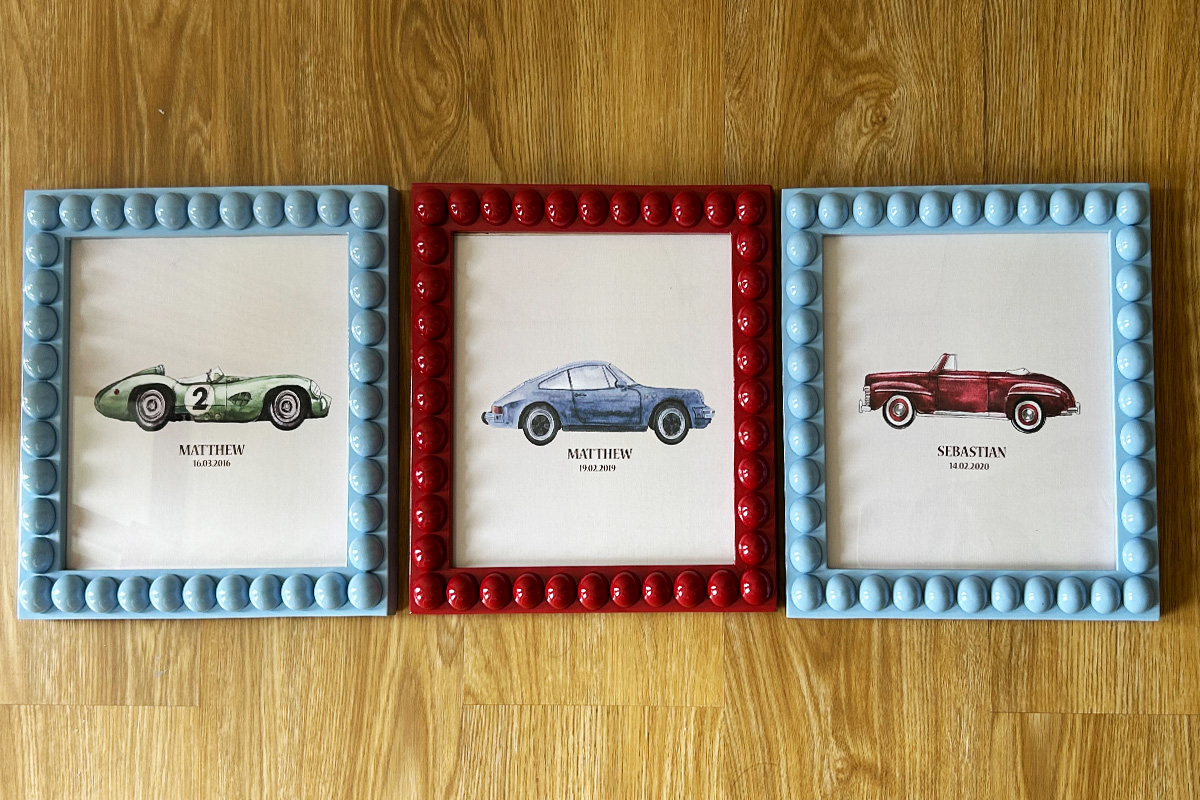
Photo credit: Wander Willows
A chair becomes something a child grows up with. A painted surface becomes something remembered. Over time, these objects begin to hold more than their material form, they hold moments, associations, and fragments of everyday life.
For those encountering Wander Willows for the first time, the experience is intended to be immediate. They share to evoke a sense of whimsy, nostalgia, and quiet wonder, while remaining deeply personal. It is about offering something that feels close, something that can be lived with.
In the end, the significance of such objects lies in how they are kept. They do not remain as ideas, nor do they exist only as finished products. They become part of a space, part of a routine, part of memory.
In doing so, they suggest that imagination does not have to remain intangible. Sometimes, it can be shaped, placed, and returned to, every day.