Modern lifestyle has long been associated with movement. Faster schedules, faster trends, faster consumption. New collections arrive before the previous ones settle, objects are replaced almost as quickly as they are purchased, and the idea of “keeping up” has become embedded within everyday routines. Even rest now arrives packaged as productivity, transformed into something optimised rather than genuinely experienced.
Yet beneath this acceleration, another rhythm has quietly begun to emerge.
There is a growing desire for objects, spaces, and routines that feel slower, more grounded, and less detached from the natural world. Not necessarily as rejection, but as recalibration. The appeal of nature today no longer exists solely through travel or temporary escape. Instead, it increasingly appears within the things people choose to wear, carry, and live with daily. Lifestyle itself begins to shift, becoming less about excess and more about atmosphere, pace, and intention.
This change is particularly visible among younger generations, where local brands are no longer appreciated merely for being local. They are valued for the worlds they create around themselves. A sandal is no longer simply footwear. It becomes part of how someone moves through a city, how they travel, how they imagine rest, or even how they define freedom. Objects begin carrying emotional and environmental associations alongside function.
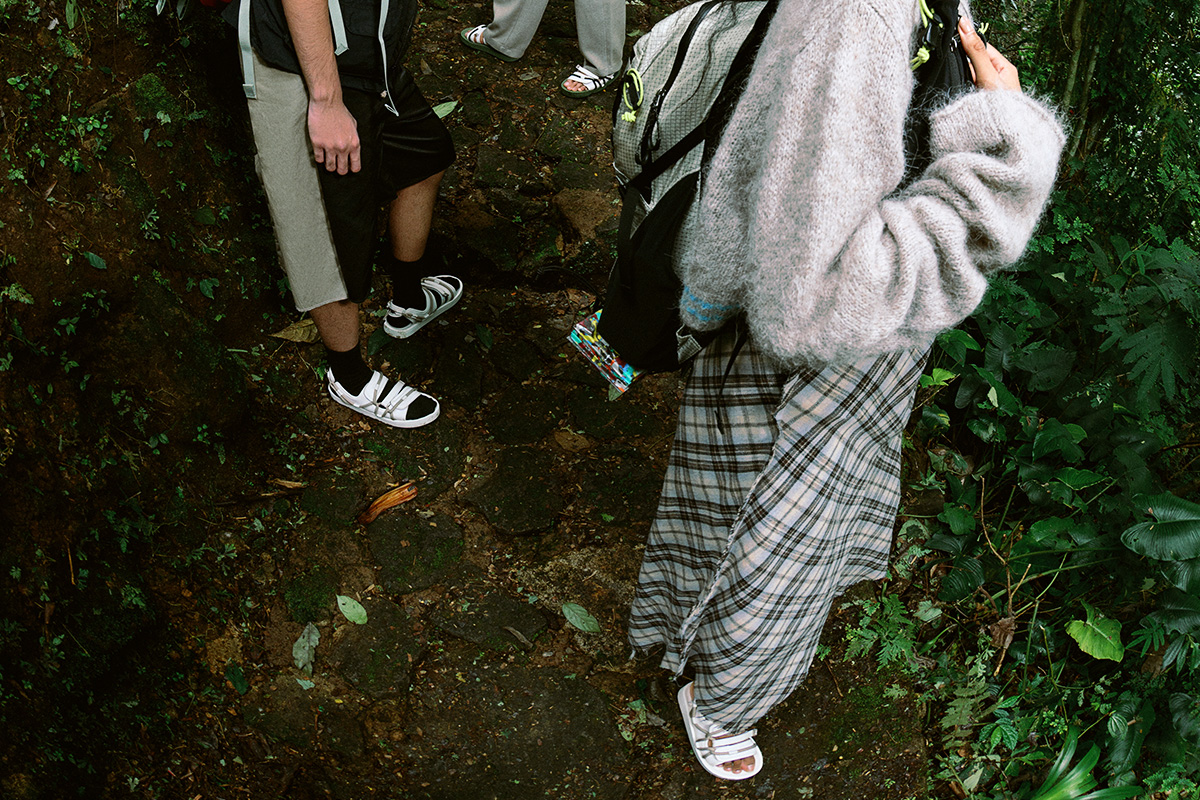
Photo credit: Gahalu
In this landscape, Gahalu emerges not as a conventional footwear label, but as a reflection of this quieter shift in contemporary living.
The brand was born from contrast. Jakarta, with its relentless pace and constant movement, became the starting point for recognising the need for something slower. “The moment you step into a place like Bromo or Bajo, the land sets a quieter rhythm,” Elisa Suteja, the founder explains. Rather than treating those landscapes as temporary escapes from urban life, Gahalu sought to translate their atmosphere into something that could exist within everyday routines.
That intention lives even within the name itself. Gahalu is derived from three Indonesian words: mountain, forest, sea. Together, they represent the landscapes shaping both Indonesia’s geography and the emotional foundation of the brand. The goal was never to replicate nature literally, but to carry fragments of its feeling into daily life through something as ordinary, and intimate, as footwear.
The result feels contemporary rather than overtly rustic. Gahalu does not romanticise nature through nostalgia alone. Instead, it reframes it as something modern, wearable, and seamlessly integrated into urban movement. The Wakatobi collection, for instance, translates landscapes into colourways: Bajo White, Bromo Brown, Sumba Tan, Merapi Charcoal, and Kintamani Green. “We don’t replicate those landscapes,” the brand notes.

Photo credit: Gahalu
“We carry their tone into a footbed someone can wear from Jakarta streets to a sunrise hike. Nature, made walkable.”
That phrase captures the essence of Gahalu particularly well. Nature here is not distant scenery reserved for occasional retreats. It becomes part of everyday motion. Something carried quietly beneath each step.
This relationship with nature also shapes the way the brand approaches production. Every pair is crafted entirely in Indonesia using locally sourced materials, with each sandal passing through human hands rather than automated systems.
The process intentionally resists industrial speed, allowing craftsmanship to move according to its own rhythm. “There’s no automated line in how we make a pair,” the brand explains. “That kind of work has its own rhythm, and we’ve chosen to move at it, rather than against it.”
In an industry often driven by immediacy, this approach becomes almost radical in its patience.
Even the imperfections are preserved. No two pairs emerge completely identical, not because of inconsistency, but because the material itself carries variation. The grain of the rubber sole shifts subtly, while hand-stitching introduces small distinctions from one pair to another. Rather than eliminating these differences, Gahalu embraces them as evidence of process, reminders that each pair was physically made rather than mechanically produced.
This slower method inevitably challenges the expectations surrounding growth and visibility today. Fashion and lifestyle industries increasingly reward constant novelty, rapid releases, and algorithmic relevance. Yet Gahalu’s growth unfolded differently. The brand’s first ten thousand pairs of Wakatobi sandals sold not through aggressive marketing, but through quiet recommendation and gradual trust. “Slow, it turns out, compounds,” the brand reflects.
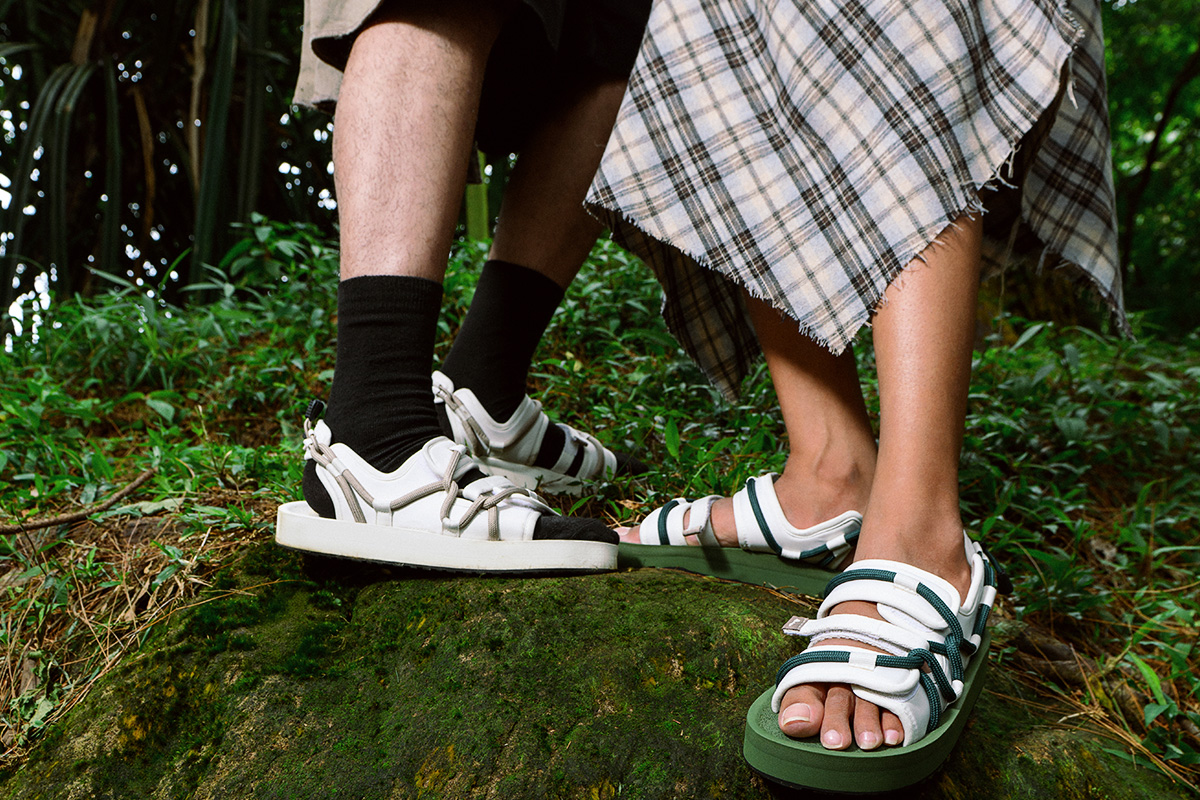
Photo credit: Gahalu
That philosophy aligns naturally with May’s Dreamers theme, though perhaps not in the expected way.
Dreaming is often imagined as something grand or immediate, tied to ambition, scale, or visibility. But Gahalu presents a quieter understanding of what dreams can look like. Here, dreams are built gradually through repetition, patience, and consistency.
“It taught me a dream isn’t an announcement,” the brand says. “It’s a kind of patience. You build it slowly, batch by batch, in the small daily choices nobody sees. The dream lives in the doing, not the pitch.”
Within that perspective, lifestyle itself begins to change meaning. It becomes less performative and more experiential. Less about appearing connected to nature, and more about finding ways to remain connected within everyday life. The sandals become symbolic not because they are loud, but because they invite a different pace altogether.
That invitation is subtle but intentional. Before customers fully understand the materials, the process, or even the philosophy behind the brand, Gahalu hopes they feel something first. “A small exhale,” the brand describes. “I hope they sense that something here moves a little slower, and gently invites them to slow with it.”
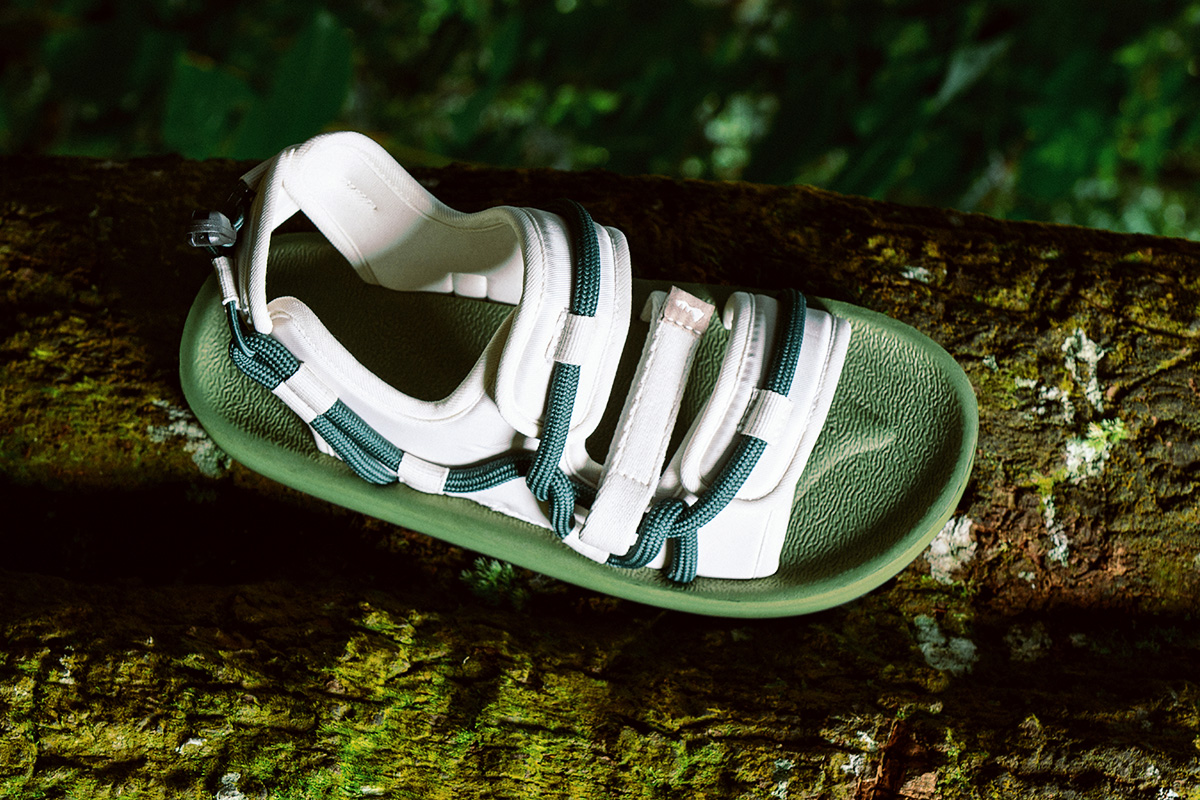
Photo credit: Gahalu
Perhaps that is why the brand resonates beyond footwear alone. It reflects a broader cultural desire to move differently through the world, more consciously, more patiently, and with greater awareness of where things come from and how they are made.
In the end, Gahalu does not position nature as somewhere people must escape to. Instead, it suggests that fragments of it can still exist within daily life, carried quietly through design, material, and movement. Not as spectacle, but as rhythm.
If there is a dream at the centre of Gahalu today, it is not one built on urgency or excess. It is something softer, steadier, and far more lived.
A dream you can walk in.