How many things leave the house with someone every single day?
A phone, perhaps. Keys. Earphones tangled somewhere at the bottom of a pocket. Then there is the backpack.
It follows people through lecture halls, train stations, office buildings, airport terminals, coffee shops, and countless routines in between. Packed in a hurry before leaving home. Dropped beside a desk. Slung over a chair during lunch. Picked up again before the day is over.
For an object that spends so much time alongside us, the backpack receives surprisingly little attention. Yet few accessories have become as deeply woven into contemporary life.
That familiarity is precisely what makes it interesting.
The objects that shape culture are not always the ones displayed behind glass or discussed as status symbols. More often, they are the things used repeatedly, folded into daily habits until their presence feels almost automatic. A notebook carried from meeting to meeting. A favourite pair of trainers. A reusable water bottle that seems to appear in every photograph.
The backpack belongs firmly within that category. For decades, it has travelled quietly through everyday life, accompanying people as they move between responsibilities, interests, and different stages of adulthood. Its role has shifted over time, reflecting the changing ways people live, work, study, and move through cities.
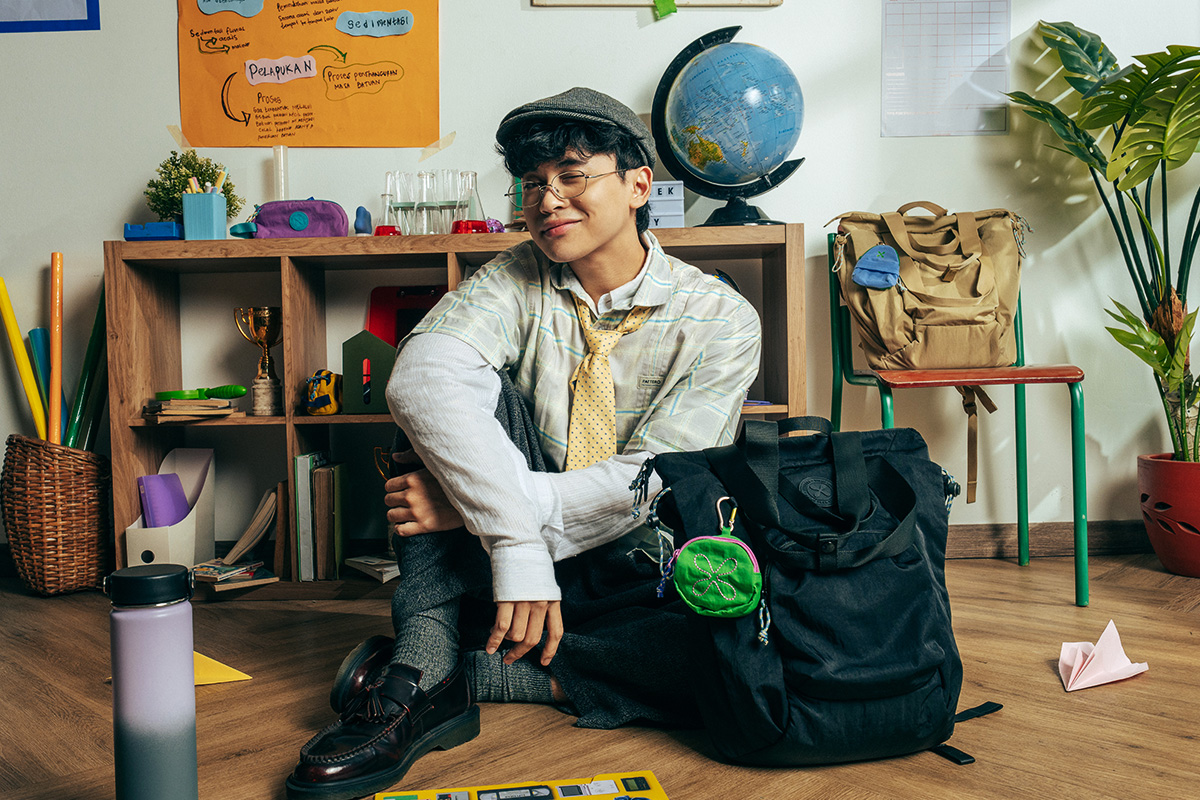
Photo credit: Exsport
The modern backpack no longer serves a single purpose.
A typical day can include a morning commute, an afternoon meeting, an evening workout, and dinner with friends across town. Laptops share space with gym clothes. Chargers sit alongside notebooks, water bottles, and the occasional last-minute purchase.
The bag becomes a mobile extension of daily life, adapting to schedules that rarely stay still.
This shift says as much about contemporary lifestyle as it does about design.
Urban life has become increasingly fluid. Work happens across multiple locations. Students balance classes with extracurricular activities. Social plans weave themselves between professional commitments. Flexibility has become an expectation, shaping everything from clothing choices to the objects people carry.
And for Exsport, this shift is reflected in the way consumers approach bags today. People increasingly look for pieces that can support multiple activities throughout the day while still feeling relevant to their personal style. Function remains essential, though aesthetics now carry equal weight. A bag is expected to work hard and look good doing it.
The relationship between bags and identity has also changed.
What once existed primarily as a practical item has become part of how people present themselves. The colour, shape, size, and silhouette of a backpack can reveal preferences, routines, and even priorities. Some gravitate towards minimalist designs. Others prefer technical details, bold colours, or oversized forms.
The choices may seem small, yet they contribute to a larger visual language through which people express who they are.
Exsport observes this shift closely. The brand describes bags as a form of self-expression, reflecting lifestyle, needs, and personality alongside practical requirements. A well-designed bag supports mobility while also feeling representative of the person carrying it.
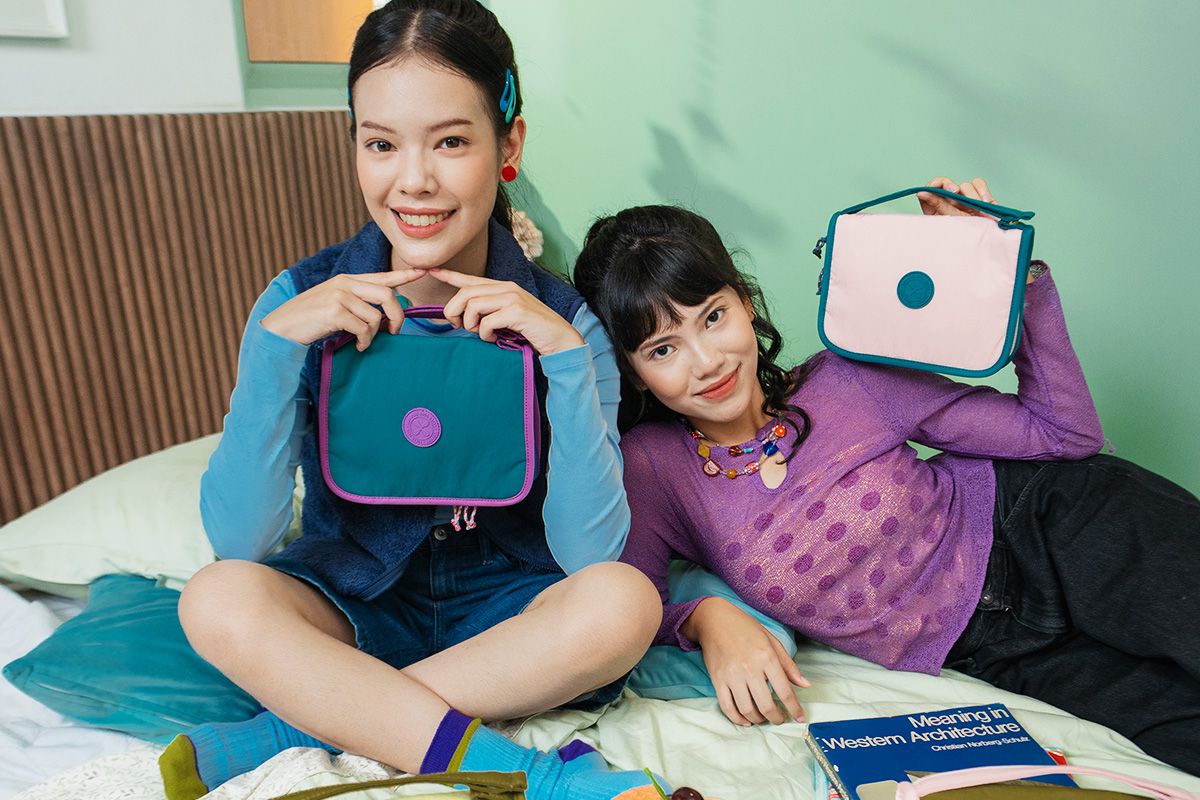
Photo credit: Exsport
Among Indonesian brands, few have occupied this space for as long as Exsport.
The brand emerged from a straightforward idea: creating bags that combined durability with contemporary style. Quality and functionality were central from the beginning, accompanied by an understanding that people wanted products capable of fitting seamlessly into their lives while still feeling fashionable.
That balance continues to shape how the brand develops new collections today.
Rather than beginning with trends alone, Exsport starts with people. The creative process focuses on understanding how consumers move through their daily routines, the challenges they encounter, and the practical needs that arise along the way.
Function, comfort, and durability form the foundation before those considerations are translated into designs suited to contemporary lifestyles.
There is something telling about that approach. The most enduring objects rarely remain relevant through novelty alone.

Photo credit: Exsport
Their value comes from usefulness, consistency, and an ability to evolve alongside the people who use them. While trends appear and disappear with remarkable speed, everyday essentials tend to survive through adaptation.
Exsport describes relevance in a similar way. Rather than responding to every passing trend, the brand focuses on understanding how younger generations live, communicate, and navigate their environments. Innovation happens through changing needs and habits, while the core principles remain familiar.
Perhaps that is why bags occupy such a distinct place in people’s memories.
Many can recall a favourite school backpack, a travel bag carried on a first trip abroad, or the bag that accompanied the transition into a first job. These objects often remain memorable long after they have disappeared from everyday use.
Exsport attributes this emotional connection to the role bags play throughout different stages of life. “Bags are always present throughout someone’s journey,” the brand explains. “They accompany a first day at school, a trip to a new place, university years, a first job, and many experiences that shape who we become.”
The memory rarely belongs to the product alone. It belongs to the moments surrounding it.
A crowded train ride to a new campus. A weekend trip planned with friends. The excitement of arriving somewhere unfamiliar. The quiet confidence of walking into an interview. The backpack simply happens to be there, collecting fragments of those experiences along the way.

Photo credit: Exsport
Which brings us back to the idea of an icon. The word often suggests visibility, influence, or widespread recognition. Yet some of the most enduring icons are built through familiarity.
They become trusted through daily use, recognised through repetition, and remembered through personal experience.
For Exsport, icon status emerges from that relationship. It grows through consistency, adaptation, and the stories people build around the products they choose to carry. Ultimately, the brand believes an icon is defined by the people who make it part of their lives.
Years from now, few people will remember every trend that passed through their wardrobes. They may forget the colour of a favourite jacket or the trainers worn for a single season.
Yet certain objects tend to stay.
The backpack was carried through university. The one brought on a first trip abroad. The one that followed countless commutes, deadlines, conversations, and ordinary afternoons.
Perhaps that is where cultural significance truly lives: within the objects that quietly accompany people through the stories they are busy living.