Icons are not always the loudest voices in the room. Sometimes, they are the ones whose stories stay with us, passed from one generation to the next, shaping the way we see ourselves and the world around us.
For Indonesian writer Kurnia Effendi, storytelling began with the fairy tales shared by his grandmother. What started as a childhood fascination with stories eventually grew into a decades-long literary journey, one that has carried him through changing eras, evolving technologies, and countless encounters with readers.
Known for his romantic narratives and emotionally complex characters, Kurnia has spent much of his career exploring what it means to be human: to love, to lose, to endure, and to keep moving forward despite uncertainty. Along the way, he has witnessed literature transform from the age of typewriters and printed magazines to a world shaped by digital platforms and instant communication.
Yet beneath those changes, one thing has remained constant: a belief that stories matter because people matter. Whether through fiction, mentorship, or conversation, his work continues to explore the experiences that connect us across generations.
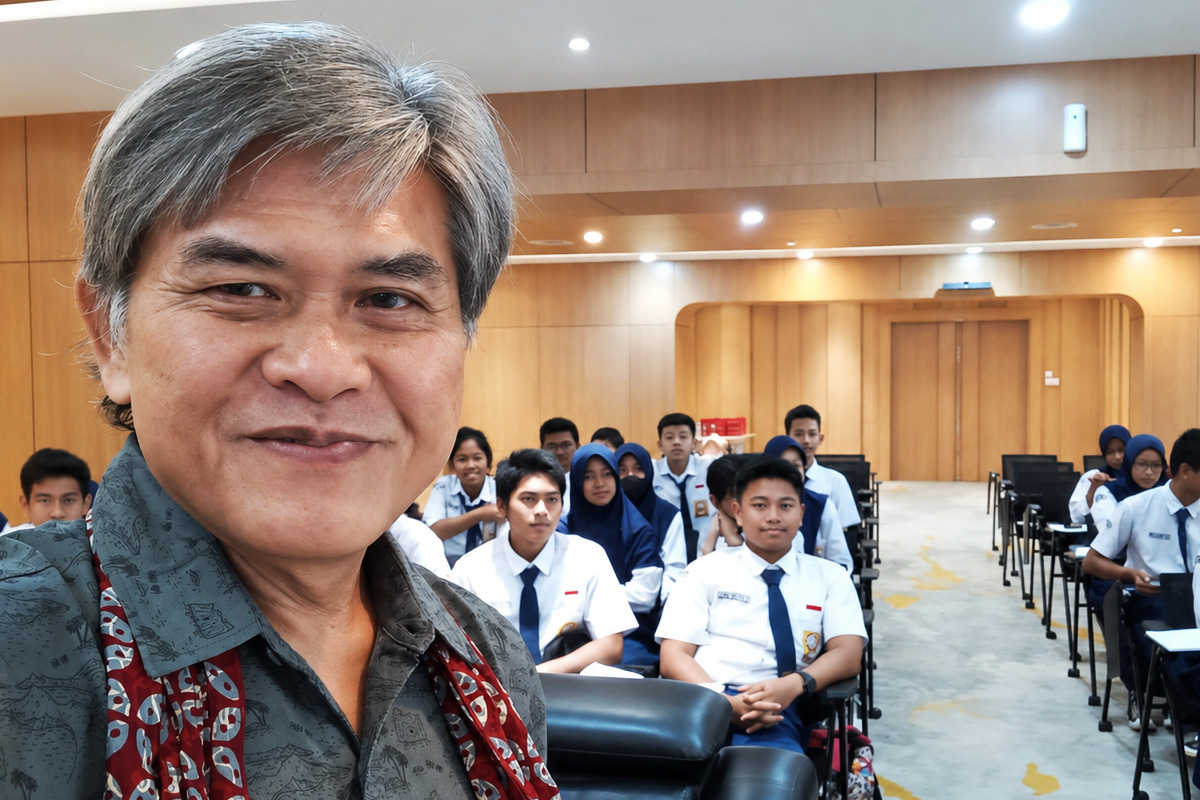
Photo credit: Kurnia Effendi
In this conversation, Kurnia reflects on the origins of his creative life, the evolution of writing in the digital era, and why curiosity remains one of a writer's most valuable tools.
“Sometimes reality is more intriguing than imagination. The challenge is finding a way to translate both into something readers can believe.” – Kurnia Effendi
[TPB] Looking back now, what first drew you toward writing and storytelling?
My journey into storytelling began long before I ever thought of becoming a writer. As a child, I was fortunate to grow up with a grandmother who loved telling stories. She never limited herself to a particular genre or subject; every kind of tale was welcome. One day she would tell stories of adventure, another day stories of wonder, folklore, or human experiences. Those moments became some of my earliest encounters with imagination.
Eventually, however, the stories she knew came to an end. I remember reaching a point where there were no more tales left to tell. Rather than feeling disappointed, I became curious. What if I created my own stories? What if I imagined worlds and characters that did not yet exist?
That curiosity led me to write my first fairy tales. It was a simple beginning, but it planted the seed that would later grow into a lifelong passion. During my school years, I began sharing my writing through the school wall magazine. Looking back now, I believe it was my Indonesian language teacher who first recognized that writing was more than just a hobby for me. They saw a potential I had not yet fully realized myself.
[TPB] Before becoming a writer, what kind of observer were you as a young person?
I have always believed that stories begin with observation. During my youth, the dynamics of friendships, conversations, and everyday interactions became an endless source of inspiration. I was fascinated by people from the way they spoke, the dreams they carried, the conflicts they experienced, and the emotions hidden beneath ordinary moments.
At first, storytelling existed primarily through conversation. I would share anecdotes, observations, and ideas with friends. Over time, those stories and discussions gradually found their way into my creative process. What began as casual exchanges eventually transformed into narratives, characters, and fictional worlds.
I was also deeply interested in ideas circulating within society. Whether they emerged from community discussions, social issues, or everyday observations, I enjoyed imagining possibilities beyond what was immediately visible. Much of my writing was born from this habit of observing reality and then allowing imagination to expand upon it.
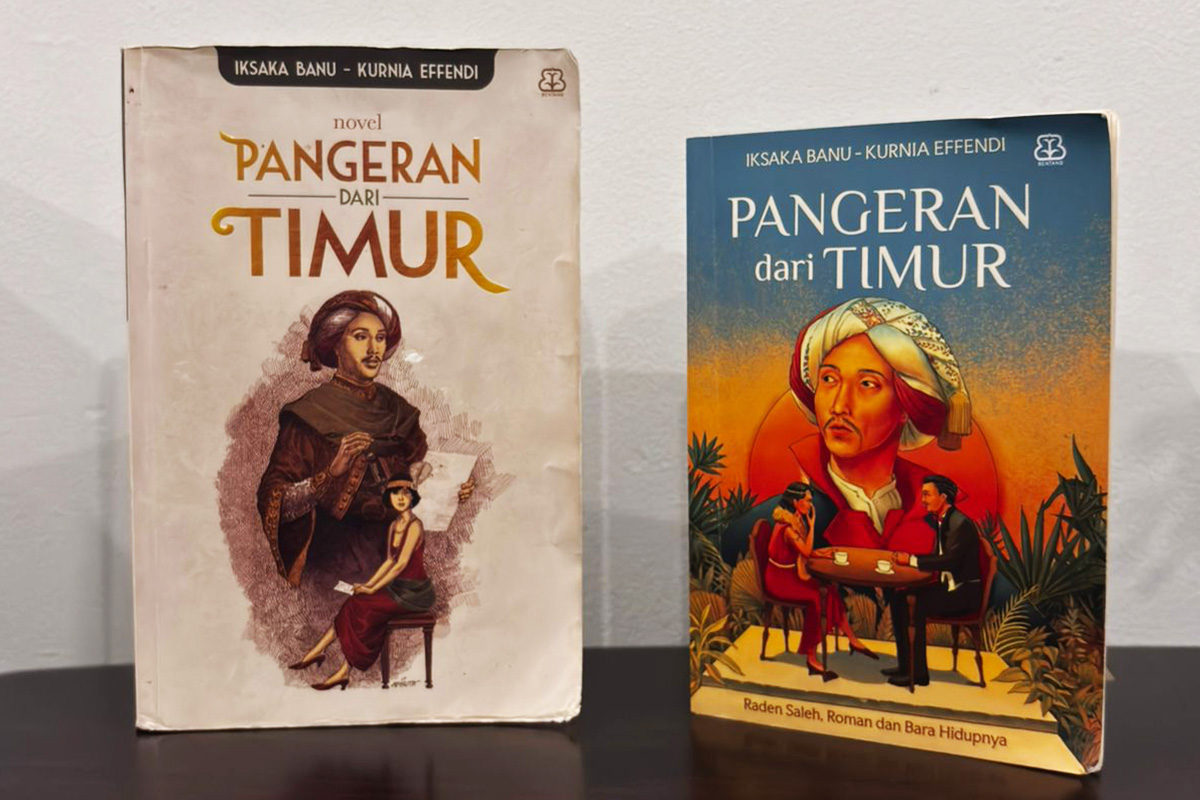
Photo credit: Kurnia Effendi
[TPB] Across all these years, what has kept you returning to stories and writing?
Today, I understand that writing serves as a form of catharsis. Yet when I first began writing, I was not consciously seeking emotional release. My motivation was much simpler: I wanted to bring joy to others. I wanted readers to experience something new, something meaningful, and something that resonated with where they were in life.
My personal circumstances also shaped my relationship with writing. I am the eldest of four siblings, and after my father passed away, my mother supported our family through his pension. Like many eldest children, I felt a strong responsibility to contribute. I often asked myself what I could do to help my family and ease some of the burden they carried.
I attended a vocational high school with the intention of entering the workforce immediately after graduation. At the same time, however, writing remained an important part of my life. I participated in numerous competitions; poetry contests, short story competitions, essay writing events, and gradually began receiving recognition. Some of those experiences led to awards, including several first-place victories.
The recognition was encouraging, but what mattered more was the realization that my words were reaching people. About eight years after I began taking writing seriously, many editors already knew my name. That gradual acceptance within the literary world reinforced my belief that writing was something worth pursuing, not only as a profession but as a lifelong commitment.
[TPB] Having witnessed different generations and eras, what changes have stood out most to you in society, culture, and literature today?
The most significant transformation I have witnessed is undoubtedly the transition from the analog era to the digital age. Since the early 2000s, technological development has reshaped almost every aspect of our lives, including how we create, distribute, and consume literature.
I began writing on a typewriter. Later, when I entered the professional world, I was introduced to computers. I still remember how extraordinary fax machines seemed at the time. The idea that a document could be transmitted instantly from one location to another felt almost magical.
Today, that sense of wonder has multiplied exponentially. People can write entire novels on their smartphones, publish work online within seconds, and connect with readers across the world through digital platforms. The variety of media available to writers today is something previous generations could hardly have imagined.
These developments have influenced not only the creative process but also the practical realities of a writer's life. In the past, honorariums were often sent through the postal service; today, transactions happen almost instantly. Reading habits have evolved as well, with digital books and online platforms becoming increasingly common.
For me, the lesson is simple: technology is not something we can resist. If we refuse to adapt, we risk being left behind. As the landscape changes, writers must learn how to grow alongside it. Even the way I earn a living has evolved. While writing itself once served as my primary source of income, I now also dedicate significant time to mentoring and teaching aspiring writers.
[TPB] In a world that moves increasingly fast, do you think people still make enough room for reading, reflection, and stories?
This question reflects a concern that many people from my generation have shared. There was a time when we genuinely worried that physical books might lose their relevance, overshadowed by the speed and convenience of digital entertainment.
Yet my personal experience has given me reasons to remain optimistic.
My own child grew up loving books. They enjoy reading, collecting books, and following the works of authors they admire. In many ways, I see a continuation of my own journey reflected in theirs. Whenever they wish to attend a workshop, seminar, or literary event featuring their favorite writers, I do my best to support and accompany them. I also encourage their curiosity by allowing them to explore books that genuinely interest them.
My understanding of literature was shaped by books and by the people behind them. Every writer I have read has contributed something valuable to my growth. In a sense, I owe them a debt of gratitude. Since I cannot repay them directly, I try to repay that debt through my own work.
I write with the hope of contributing new ideas, new perspectives, and new conversations that future generations can continue. Literature has always been a bridge between generations, and I believe it will remain so.
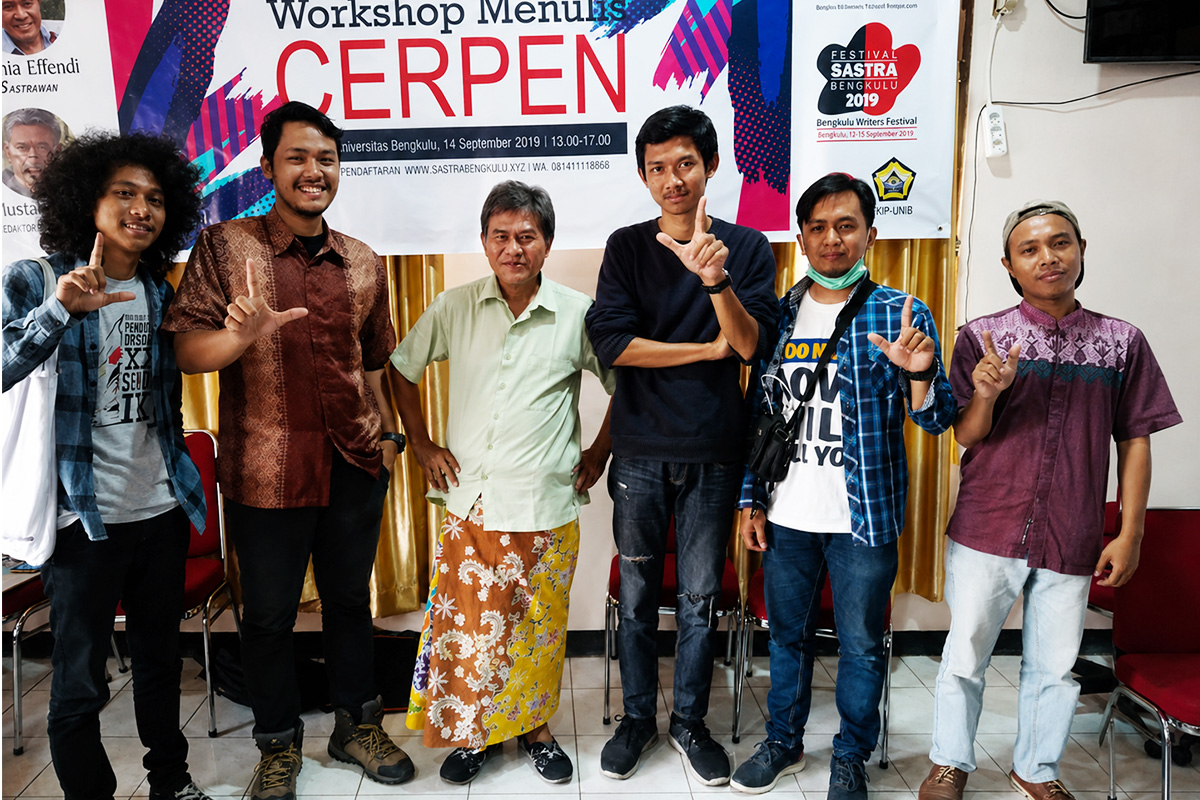
Photo credit: Kurnia Effendi
[TPB] What would you say are the defining characteristics of your writing?
Many readers know me primarily as a writer of romance. Love, in its many forms, has always fascinated me. When I collaborated with Iksaka Banu on Pangeran dari Timur, our strengths complemented one another. He brought a deep understanding of historical contexts, while I focused more on the emotional and romantic dimensions of the story.
Even when writing literary fiction, themes of love often find their way into my work. Human relationships, emotional longing, sacrifice, and vulnerability remain subjects I continually return to.
At the same time, there is another characteristic that perhaps defines my storytelling just as strongly: I enjoy placing my characters in difficult situations. I often tell aspiring writers that they should not be afraid to challenge their protagonists.
I like to break my characters apart emotionally. I place them in conflict after conflict, setback after setback, until they reach moments of complete vulnerability. The purpose is not cruelty. Rather, it is to create an emotional experience powerful enough that readers become deeply invested in the character's journey.
Ultimately, I believe reading should expand a writer's possibilities rather than restrict them. We do not read in order to imitate others. We read to understand what has already been done, so that we can discover our own voice and create something uniquely ours.
[TPB] Are writers naturally romantic, or are they simply skilled at romanticizing things?
I think the answer is both. Many writers possess a heightened sensitivity toward life. They notice details that others might overlook and often see beauty, meaning, or symbolism in ordinary moments. This sensitivity naturally lends itself to a romantic way of seeing the world.
At the same time, writers are also skilled at romanticizing experiences. Through language, imagination, and perspective, they can transform seemingly mundane events into something emotionally resonant. In many ways, writing itself is an act of finding meaning where others might not immediately see it.
[TPB] After decades of writing, what part of the creative process still excites or surprises you?
What continues to surprise me is the realization that reality often exceeds imagination.
Many times, I have developed fictional premises that felt compelling and original, only to discover that real life contains situations that are even more complex, dramatic, and unpredictable. Human experiences possess a richness that no writer can fully anticipate.
This ongoing encounter with reality keeps the creative process exciting. It reminds me that there will always be new stories to discover, new perspectives to explore, and new truths to uncover.
The challenge, of course, lies in translating those discoveries into fiction. Writers must build worlds that feel believable, even when exploring extraordinary ideas. We should never be afraid of concepts that initially seem impossible or unconventional. What matters is whether we can support them with convincing arguments, thoughtful research, and internal logic.
That is why research remains an essential part of writing. Imagination may open the door, but research often helps us make readers believe what lies beyond it.
[TPB] How does it feel knowing that readers still remember and carry your stories long after they have finished reading them?
It is one of the most rewarding experiences a writer can have.
There have been occasions when I met someone entirely by chance, only to learn that they had read one of my short stories thirty or even forty years ago. Those encounters are deeply moving because they remind me that stories can travel far beyond the moment they are written.
Writing is often a solitary activity. We spend countless hours alone with our thoughts, rarely knowing where our words will ultimately end up. To discover that a story has remained in someone's memory for decades is both humbling and gratifying.
It reassures me that my work has reached people in meaningful ways. I feel equally honored when parents entrust their children to learn writing through my mentorship. That trust is something I never take for granted.
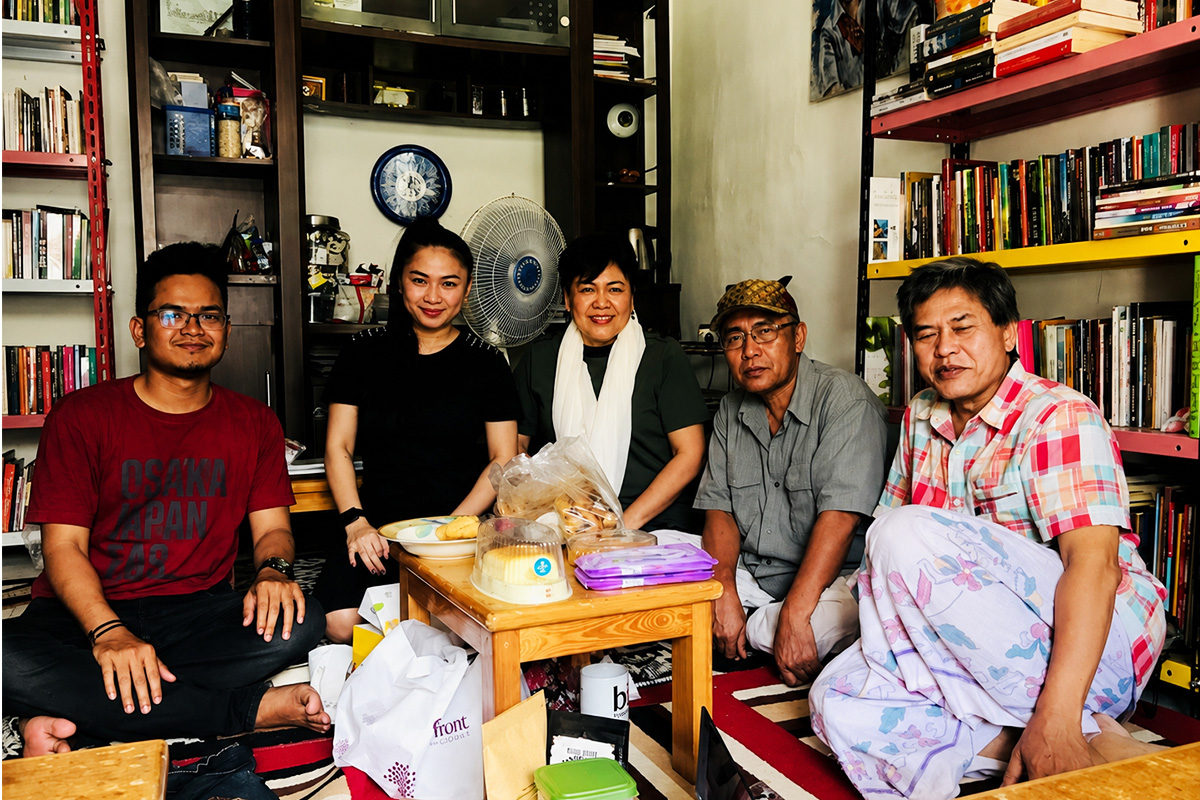
Photo credit: Kurnia Effendi
[TPB] Looking back on your journey, what kind of legacy would you like to leave through your work?
I often find myself returning to a sentiment expressed by Pramoedya Ananta Toer: “If you do not write, you will simply disappear from history.”
I agree with that wholeheartedly because writing is more than a creative activity. It is a way of preserving ideas, experiences, and ways of seeing the world. Through writing, we leave traces of ourselves behind, not for the sake of immortality, but so that future generations may encounter our thoughts, learn from them, challenge them, or build upon them.
If there is a legacy I hope to leave, it is not merely a collection of books. It is the continuation of ideas. I hope that through my stories, readers will find something that inspires them to think more deeply, feel more deeply, and perhaps create something of their own.
Because in the end, writing is our way of ensuring that what matters to us does not simply disappear.