Dreams are often imagined as something distant, waiting somewhere far ahead. Yet for Jessy, dreaming became something far more immediate: a way to keep moving through uncertainty itself.
As the founder of Sahabat MS Indonesia and the author of Jessy and The 4G’s, her journey with Multiple Sclerosis (MS), a chronic neurological condition that affects the brain and spinal cord, slowly reshaped the way she understands strength, rest, and hope.
What began as unexplained exhaustion and changes within the body eventually opened into a longer conversation about invisible understanding, body awareness, and the courage to continue imagining a future beyond diagnosis. Through honesty and resilience, Jessy’s story becomes more than survival alone. It is about protecting the parts of ourselves that still dare to dream.
“Struggles, illness, or difficult circumstances may change many things, but they should never have the power to take away our dreams. No matter how heavy life becomes, there is always space to continue imagining a future beyond it.”
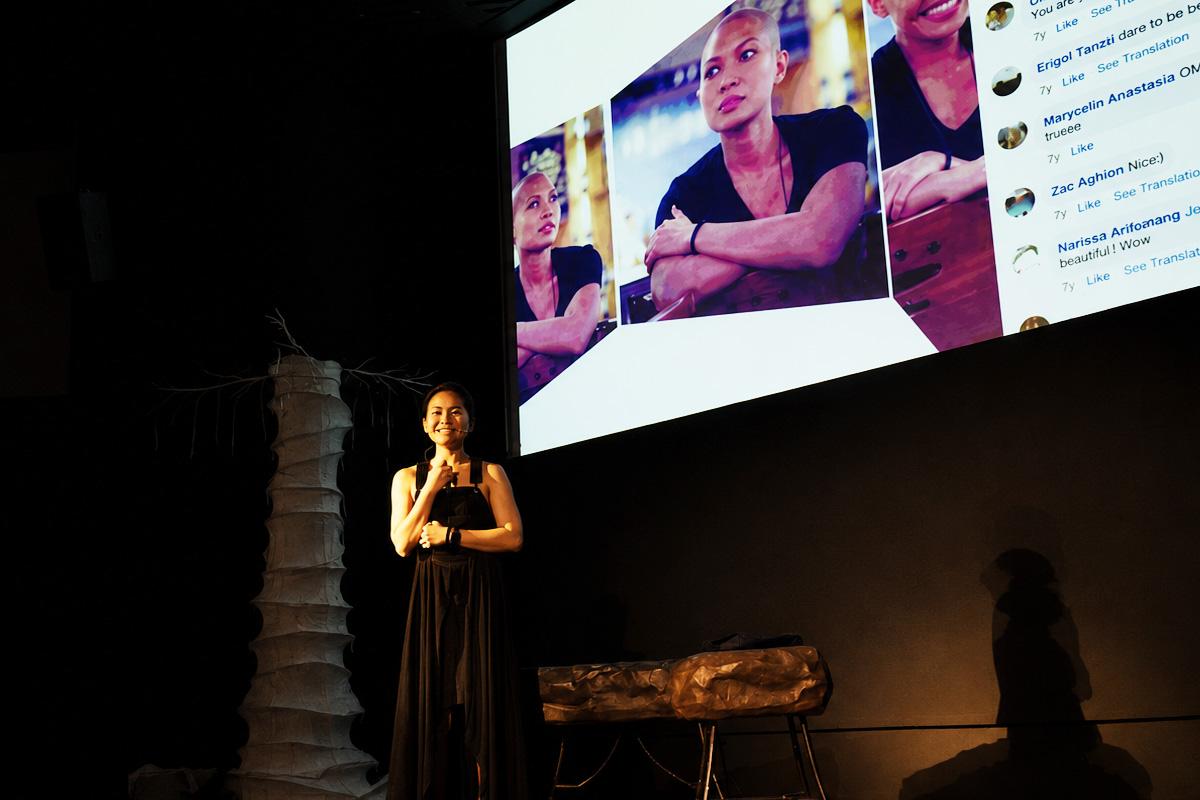
Photo credit: Jessy
[TPB] When you think about life before everything shifted, what’s something small you find yourself missing the most?
Honestly, I miss the simplicity of life before everything became something that needed preparation. I used to be much more spontaneous, especially when it came to travelling or doing things on my own. Back then, I could simply decide to go somewhere and just do it, without overthinking every possibility first.
Now, even small things often come with questions in my head, “Who will accompany me, what should I prepare, what if something unexpected happens?” Of course, preparation can be a good thing, but sometimes I miss that lighter version of life, where I could just move freely without carrying so much fear or consideration beforehand. I think that’s what I miss the most, the simplicity of just going for it.
[TPB] Was there a moment in your journey that quietly changed the way you see life?
I realised at some point that I’ve always had quite a competitive mindset. I used to think a lot about achievement, success, failure, and constantly chasing the next thing. But somewhere along the way, I began asking myself a quieter question, then what?
If I succeed, then what? If I fail, then what? That thought slowly changed the way I see life. The world moves so quickly, and people are always chasing something endlessly. But eventually, it can become exhausting when everything is measured by the next goal.
Now, rather than constantly forcing myself to keep up, I’ve learned to simply live through things more honestly and take them as they come.
[TPB] People often talk about being strong. What does strength mean to you now, after everything you’ve experienced?
I think strength can mean many different things, depending on the person and the season of life they are in. But for me, strength no longer means pretending everything is always okay.
What I’m learning now is that strength can be something as simple as allowing ourselves to rest. Because honestly, how can anyone keep going without resting? Strength is not always about forcing yourself beyond your limits. Sometimes it is about being honest with your body, asking for help when needed, and choosing to move forward in a way that is sustainable for yourself.
The most important part, for me, is choosing hope again and again, no matter how fast or slow the process may look. Strength is showing up with grace, with love, and without hurting yourself or others along the way. I think real strength comes from being able to live authentically, without constantly comparing yourself to anyone else.
[TPB] Can you take us back to the moment you were diagnosed with Multiple Sclerosis?
Multiple Sclerosis is an autoimmune condition that affects the nervous system. It is chronic, but not terminal, and in many cases, it can also be invisible. Even now, people often tell me I “look fine” and in many ways, I am.
I was diagnosed around 2011, at a time when awareness around Multiple Sclerosis in Indonesia was still extremely limited. I had never even heard of the condition before, so the diagnosis felt very unfamiliar and difficult to process. What made it even stranger was that, I still felt okay. I could still function normally, speak normally, and continue everyday life.
But despite feeling fine, I suddenly had to begin treatment immediately, including daily injections. I remember trying to convince myself to treat it casually, almost like brushing my teeth every night. But it was painful, exhausting, and emotionally draining over time. There is even something called “injection fatigue” where you simply become tired of constantly treating a body that does not outwardly appear sick.
What affected me most in the beginning, though, was not only the medical side, but the social response around it. I was told to be careful about who knew about my condition because it could affect my family’s image. That stayed with me deeply. At that moment, the isolation felt heavier than the diagnosis itself.
[TPB] What’s something people tend to misunderstand about being a survivor?
I think one of the hardest things is the gap between looking fine and actually feeling completely different inside. People often say, “But you look okay.” And sometimes, that’s exactly what makes it difficult to explain.
Because invisible conditions do not always show themselves physically. Even now, while having this conversation, there are parts of my body that I cannot fully feel. But from the outside, everything seems normal. That invisible aspect is probably the most misunderstood part. It’s difficult trying to explain pain, exhaustion, or discomfort that cannot really be seen by other people, but is constantly felt by yourself.
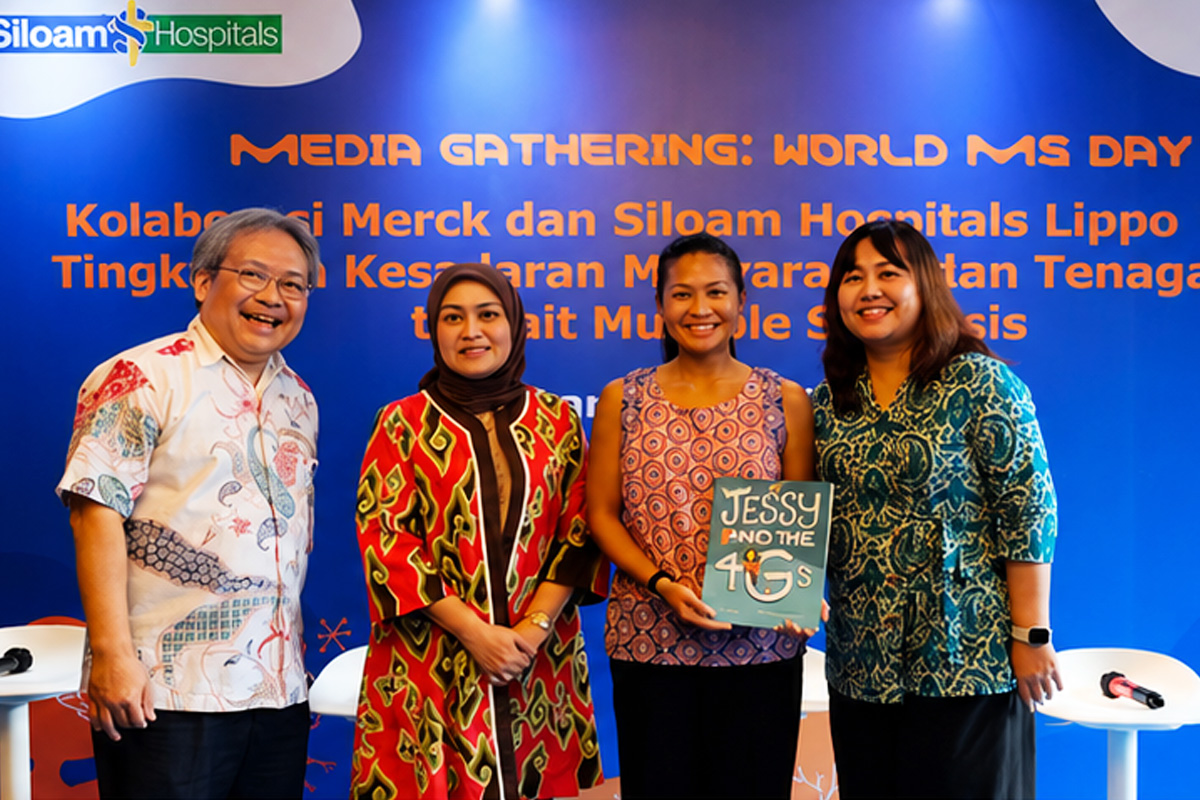
Photo credit: Jessy
[TPB] Which part of your experience feels the hardest to put into words for others?
The hardest part is usually explaining the condition itself in a way people can truly understand. Even now, I still find myself searching for simpler words whenever I try to describe it.
Sometimes I compare it to having a bad Wi-Fi connection in the brain. There are moments where everything feels delayed, crowded, or difficult to process all at once. Meanwhile, from the outside, I might still be smiling and trying to appear completely fine.
But internally, there can be pain, confusion, exhaustion, and so many things happening at the same time. That invisible complexity is probably the most difficult thing to fully translate into words.
[TPB] Did you discover anything about yourself that you didn’t know before all of this?
Definitely. I discovered so many things about myself throughout this journey, especially during treatment. That is also one of the reasons why I chose to write children’s books and speak more openly about MS.
I never wanted to share my story simply as something tragic. What matters more to me is sharing what I learned from it, so other people do not have to go through such a long and painful journey feeling completely alone.
MS has been difficult, and I will never sugarcoat that. There was pain, confusion, and a lot of moments that felt heavy. But if my story can help even one person feel less isolated, then I think there is meaning in everything I experienced. For me, it has always been about offering understanding, connection, and hope.
[TPB] If you could speak to yourself at the very beginning of this journey, what would you say?
I would probably tell myself, “Jessy, you are enough. You are already good enough, and that is enough.” My late father used to say that life is like driving, you only need to focus on the next five metres ahead. That perspective stayed with me for a long time because it reminds me not to overcomplicate life too much.
Sometimes you walk, sometimes you run, and sometimes you simply stand still for a while. But all of it is still part of moving forward. I think I would remind myself to move at my own pace, breathe more gently through things, and stop forcing myself beyond what I can carry.
[TPB] How has your relationship with your body changed over time?
Over time, I’ve learned that my relationship with my body is really about awareness and balance. Physically, I often feel a difference between the right and left side of my body, where one side can feel much weaker than the other. For a long time, that disconnect was difficult for me to understand.
Eventually, I realised I could not keep forcing my body to move beyond its own rhythm. I had to learn how to listen more carefully, not only to what my body needs, but also to what it is trying to tell me.
Now, I try to approach my body with more understanding and compassion. I think the biggest lesson has been learning how to synchronise my mind and body together, instead of treating them as two separate things constantly fighting against each other.
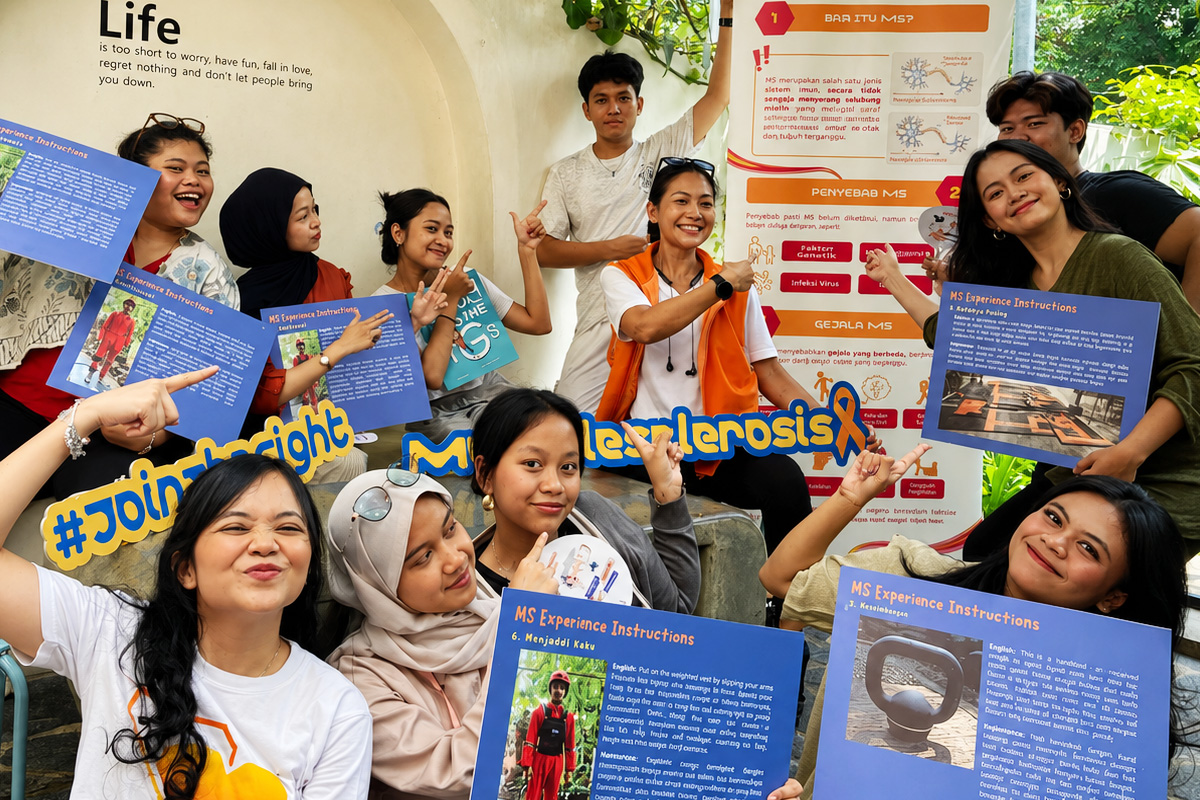
Photo credit: Jessy
[TPB] On days that feel especially heavy, what helps you keep going, even in small ways?
Friendship helps me a lot. These days, I value genuine friendships and positive people around me more than ever. Being surrounded by warmth, encouragement, and simple moments of togetherness can really change the atmosphere of a difficult day.
I also find comfort in small things like pausing to pray, writing my thoughts down on paper, moving my body, even through the smallest activities. Sometimes, crying helps too. Not because everything is falling apart, just because emotions also need space to exist honestly.
What keeps me going is the reminder that sadness is never the whole story. Every life carries difficult chapters, but that does not make it a bad life. There are still beautiful moments waiting in between, and I truly believe that life, despite everything, is still worth appreciating.
[TPB] When you look ahead now, what does dreaming mean to you?
I still have so many dreams. One of my childhood dreams, actually, was becoming an athlete or even acting in films as an athlete. I’ve always loved stories and the way people grow through them. But these days, dreaming feels less about controlling the outcome and more about learning to walk through life with trust and obedience.
I’ve reached a point where I simply want to keep following wherever life and God are leading me, even when I do not fully know what comes next. There’s something beautiful about that uncertainty. Whether I am meant to become a leader, a daughter, a writer, or something entirely unexpected, I think my biggest dream now is to keep discovering the surprises life still has waiting ahead.
[TPB] Why do you think it’s important for people to keep holding onto their dreams?
For me, dreams represent hope and purpose. When someone has a dream, they have something to look forward to, something that keeps them moving through life. I always say that struggles, illness, or difficult circumstances may change many things, but they should never have the power to take away our dreams.
That part still belongs to us. No matter how heavy life becomes, there is always space to continue imagining a future beyond it. I think that’s why keeping dreams alive matters so much. Because sometimes hope begins very simply by believing that there is still something beautiful waiting ahead.