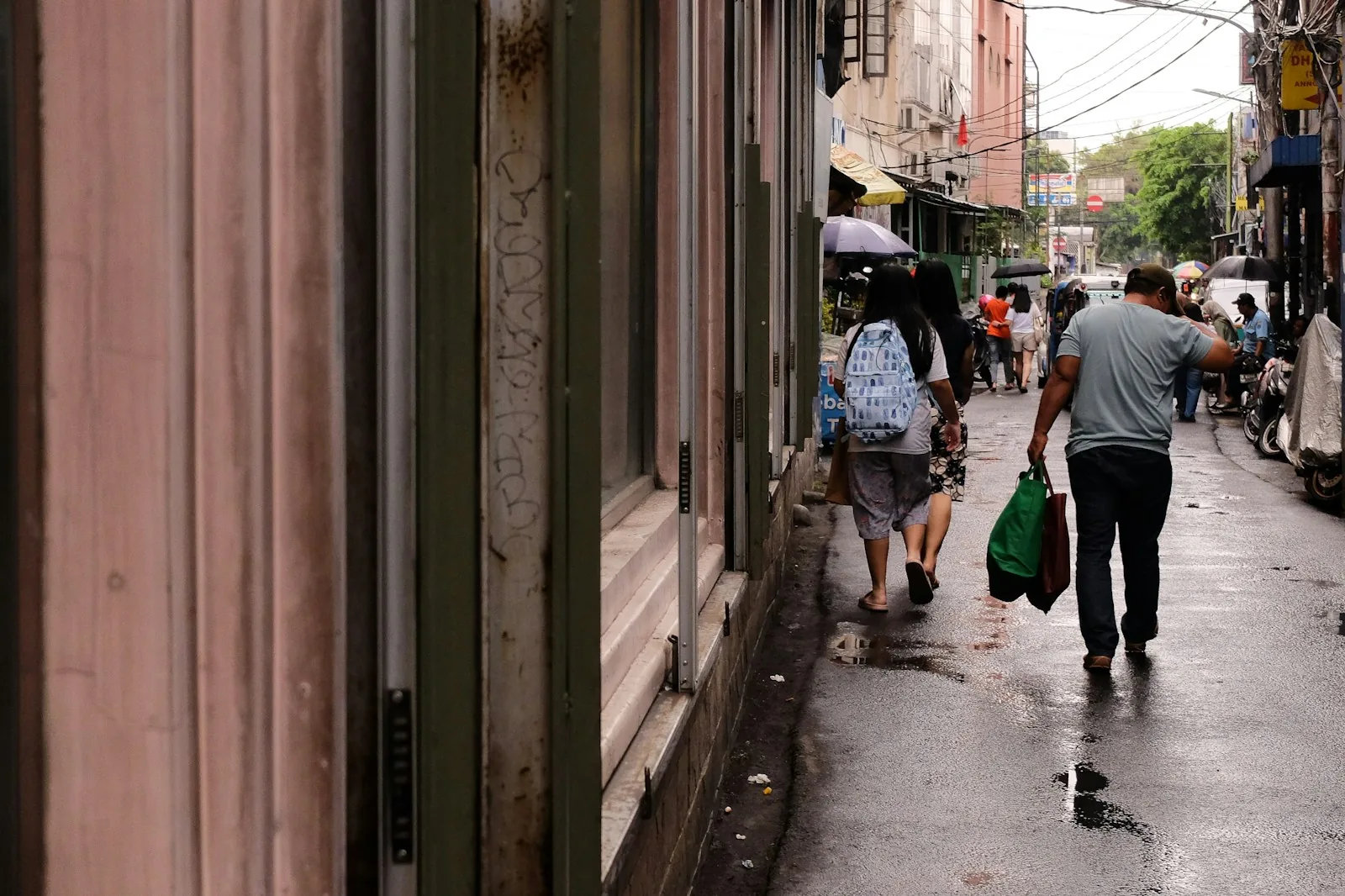
The most interesting thing about Pasar Baru is that its stories rarely announce themselves. They sit inside old buildings, behind family-run counters, within recipes that have outlived trends, and businesses that continue opening their doors year after year.
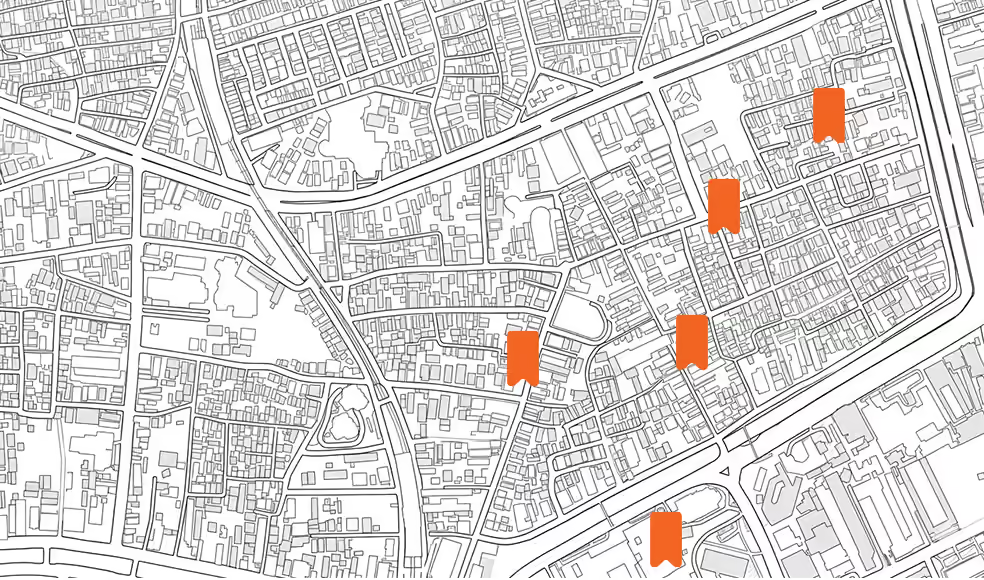
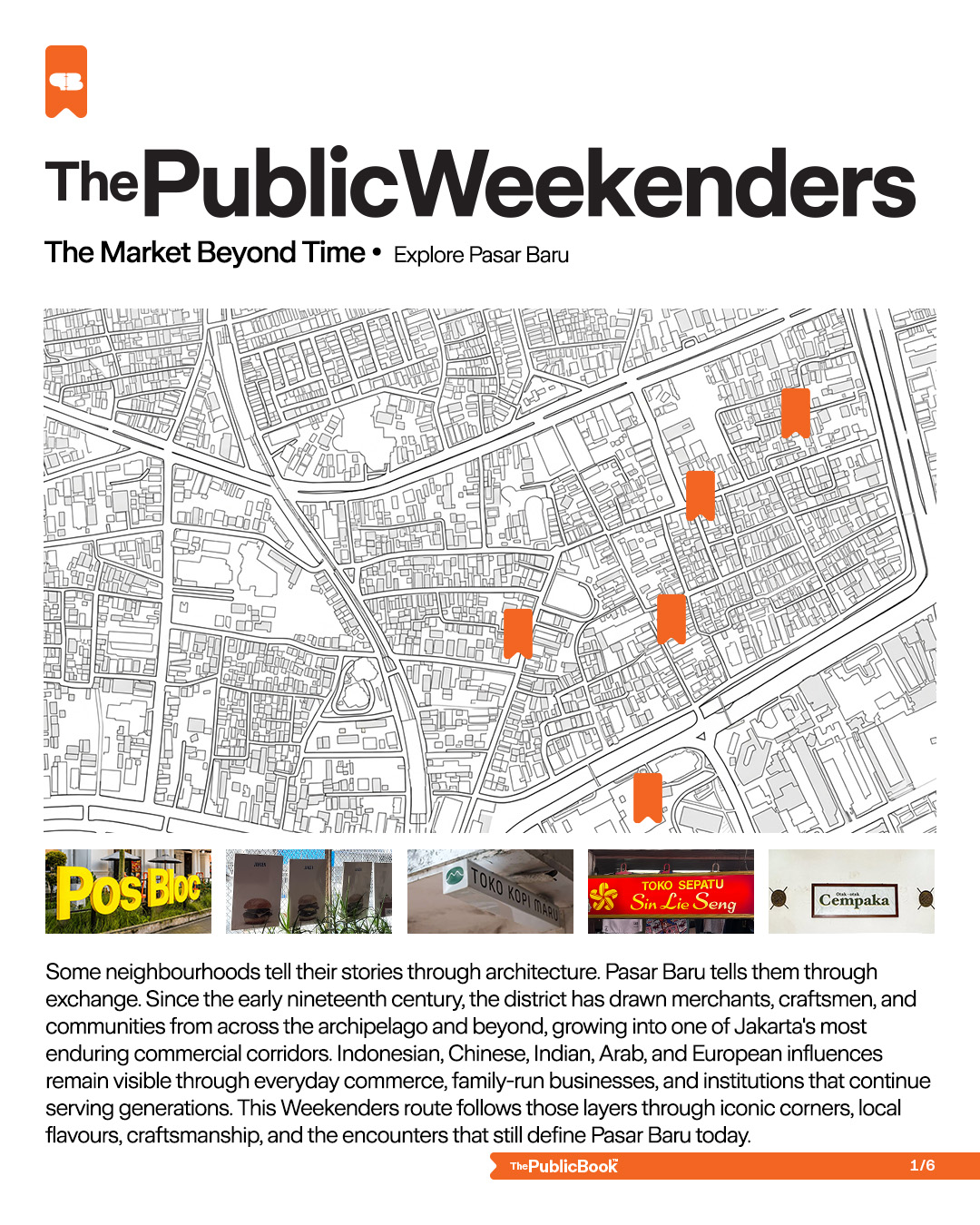
5 stops · Self-guided · Food, entry and transport are paid separately.
Maps searches include Pasar Baru; confirm the exact branch. Walking connections have not been checked on foot.
01 Pos Bloc
Morning Stroll
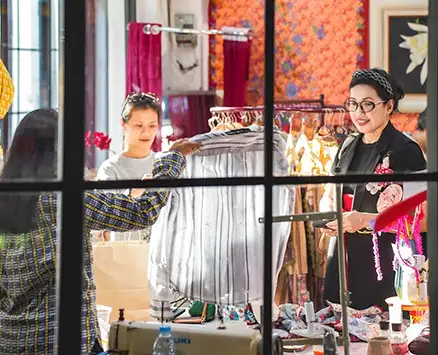
A building can tell more than one story at a time. Before becoming one of Jakarta’s busiest creative hubs, Pos Bloc served as the city’s historic Philately Building, a place once dedicated to communication, correspondence, and connection. Today, those functions have simply taken a different form. The restored space now brings together food, design, art, music, and community within the same walls, while traces of its architectural heritage remain visible throughout. Spacious, accessible, and constantly active, it offers an introduction to Pasar Baru that feels both contemporary and rooted in history. Start with a slow lap around the building and see how the old continues to welcome the new.
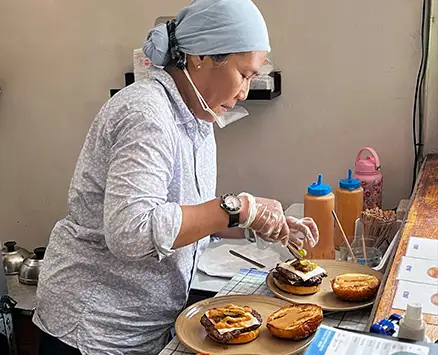
Sometimes restraint says more than abundance. Since opening in 2022 after two years of preparation, Jungen has built its reputation around a remarkably simple premise: three menus, thirty portions, and a commitment to making everything from scratch. Behind the counter, Bu Dewi brings a warmth that feels increasingly rare, serving generous plates within a setting that remains deeply personal and refreshingly honest. The aroma of freshly toasted buns often arrives before the food itself, turning every meal into something iconic and memorable. In many ways, Jungen reflects Pasar Baru’s enduring spirit, rooted in craft, consistency, and human connection. Arrive early and trust the menu already waiting for the best moments.
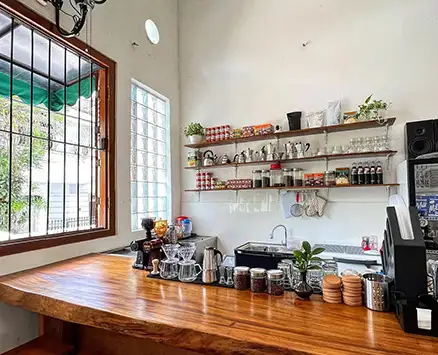
Toko Kopi Maru occupies the final residence of Tio Tek Hong, one of the most influential figures in Indonesia’s musical history and the person responsible for recording the first version of Indonesia Raya. Today, the house welcomes a different kind of gathering, balancing heritage with everyday coffee culture through both indoor and outdoor spaces. Between the rustling trees, friendly conversations, and carefully prepared drinks, the atmosphere feels less like a café and more like a living piece of the city’s memory. Order something warm and stay long enough to notice the details.
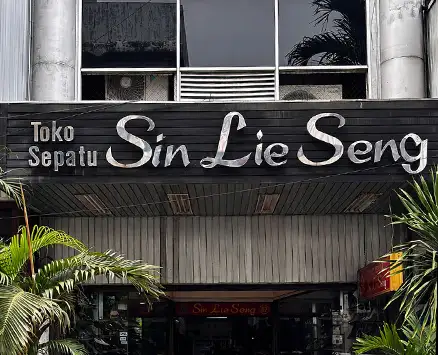
Not every institution announces its legacy loudly. Since 1943, Sin Lie Seng has remained part of Pasar Baru’s commercial shop through craftsmanship, practicality, and leather goods designed to outlast trends. Their collections remain the main attraction, displayed alongside a wide range of timeless designs that continue attracting both loyal customers and first-time visitors. Some pieces arrive in extremely limited quantities, making certain finds difficult to encounter twice. Combined with approachable prices and attentive service, the experience feels less like shopping and more like discovering something worth keeping. Take a closer look, there is usually one pair that stands apart from the rest.
The best discoveries rarely sit on the main road. Hidden within a heritage building dating back to the 1920s, Otak-Otak Cempaka continues serving recipes that have survived across generations, including its original fish cakes and signature sauce. The atmosphere moves at a gentler pace, welcoming families, regulars, and curious newcomers into the same room. While legacy remains at the centre, newer creations such as their Kopi Cendol introduce a playful contrast, allowing familiar flavours to meet contemporary tastes without losing their identity. Order the classics first, then leave room for something unexpected.